Tokyo Shinkansen Stations: Tokyo, Shinagawa or Ueno?
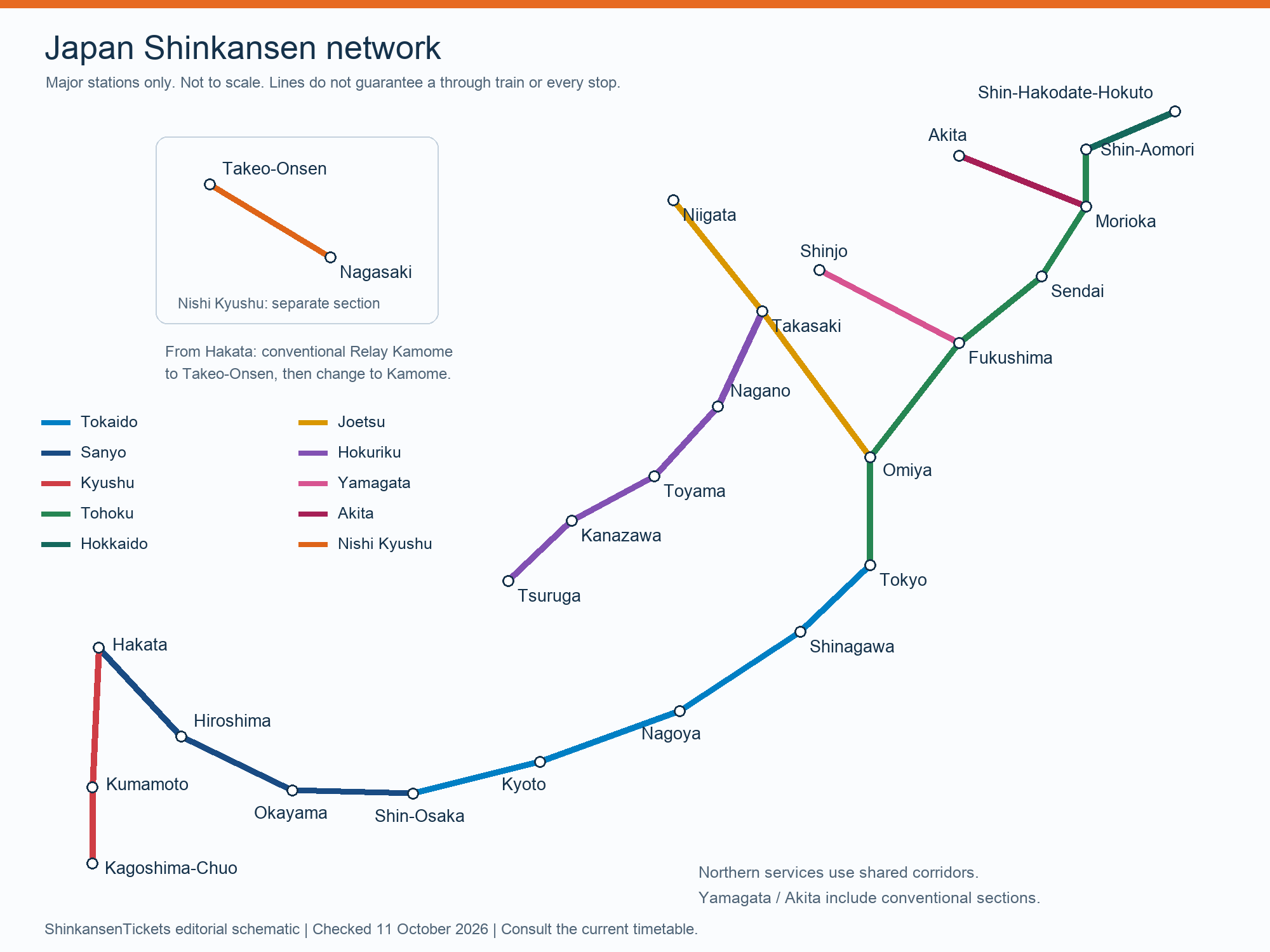
Tokyo, Shinagawa and Ueno are the main Shinkansen boarding stations in central Tokyo, but they serve different corridors. For Kyoto, Shin-Osaka and the Tokaido route, compare Tokyo Station and Shinagawa. For northern and inland routes, compare Tokyo and Ueno, checking whether your selected train stops there. Shinjuku and Shibuya do not have Shinkansen platforms.
Choose the station for your destination
| Station | Shinkansen travel it serves | Useful starting point |
|---|---|---|
| Tokyo | Tokaido and through Sanyo services, plus northern and inland services including Tohoku, Joetsu and Hokuriku | Marunouchi, eastern or northern city connections, and transfers between Shinkansen corridors |
| Shinagawa | Tokaido and through Sanyo services | Southern Tokyo and many Haneda Airport connections |
| Ueno | Northern and inland services that stop there | Ueno and nearby districts, depending on the local connection |
| Shinjuku / Shibuya | No Shinkansen platforms | Take a connecting local train to a suitable Shinkansen station |
Tokyo Station is a major hub, but it does not originate every Shinkansen service in Japan. Regional lines and through-services have their own termini and stopping patterns. Use the Shinkansen map and line guide to identify the corridor before choosing a city transfer.
Tokyo or Shinagawa for Kyoto and Osaka?
Both stations serve the Tokaido Shinkansen. Compare the complete journey from your accommodation or airport rather than choosing a station only by its name. Tokyo can be convenient for Marunouchi and many eastern or northern connections. Shinagawa can work well from southern Tokyo, the southern Yamanote corridor and Haneda via Keikyu.
Use the Tokyo to Kyoto route guide or Tokyo to Osaka route guide to plan the Shinkansen leg. When searching, select Tokyo or Shinagawa according to the station where you will actually board.
Neither station offers a universal number of minutes saved. Walking distance depends on the arrival platform, elevators, luggage, ticket collection and the gate you need. A short transfer displayed by a journey planner may be unsuitable for a family or someone collecting tickets.
Search the station you intend to board at and check it on the ticket. Do not assume a reservation from one station can be used from the other under every product's conditions. Starting at Tokyo also does not guarantee a non-reserved seat. On designated busy dates, Nozomi trains have all seats reserved.
Understand Tokyo Station's separate Shinkansen areas
At Tokyo Station, follow the full corridor names. Signs for “Tokaido & Sanyo Shinkansen” lead toward the Kyoto and Shin-Osaka services. Signs for northern and inland Shinkansen services lead to a different area. A sign saying only “Shinkansen” is not enough to establish that you are at the right gate.
JR conventional-line transfers, a Tokyo Metro arrival and entry from the street use different routes. Check the official station layout for your starting point. The Marunouchi side is associated with the historic red-brick frontage, while Yaesu is on the east side; the best entrance still depends on where you are coming from and which gate you need.
Using Shinagawa and Ueno
At Shinagawa, distinguish JR local lines, the Shinkansen area and Keikyu. For a Haneda connection, check whether the chosen Keikyu service runs directly to the airport or requires a change. The Shinagawa station guide explains the Konan and Takanawa sides.
Ueno is an option for northern and inland journeys such as Sendai, Niigata, Nagano and Kanazawa when the selected service stops there. It does not serve the Tokaido Shinkansen to Kyoto or Osaka. Its Shinkansen platforms are underground, so include the route to the platform in your transfer time. JR Ueno and Keisei Ueno are separate stations; allow a walking transfer if arriving by a Keisei airport train.
Connecting from Shinjuku or Shibuya
From Shinjuku, the JR Chuo Line provides a common connection to Tokyo Station. The Yamanote Line provides another option toward Shinagawa. From Shibuya, compare a Yamanote connection to Shinagawa with other journeys appropriate to your destination. For northern Shinkansen services, choose a connection to Tokyo or Ueno and verify the actual train's stops.
Use current route results and station displays for platforms and travel times. The local train ride is only one part of the transfer; walking between platforms, waiting and ticket collection add time. The Shinjuku transfer guide covers the distinction between a local connection and a bullet-train departure.
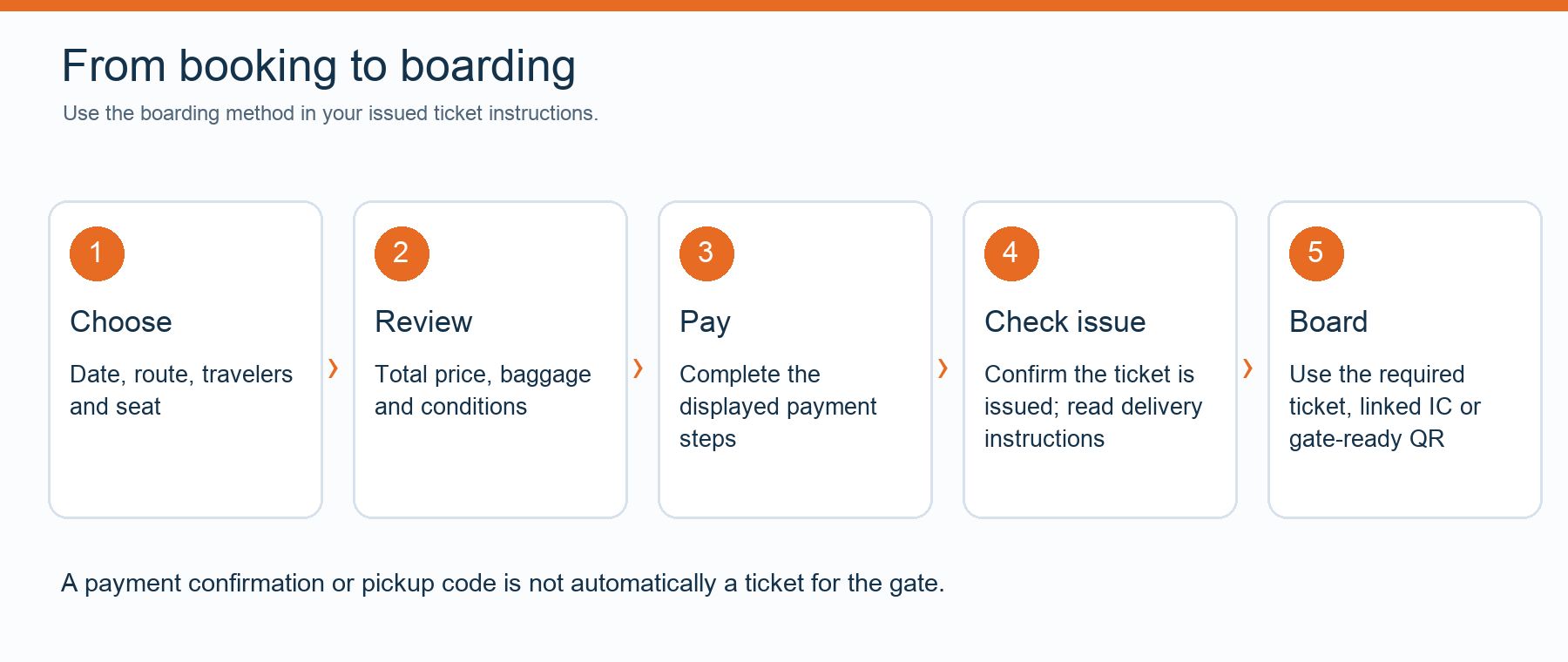
Tickets, luggage and departure checks
- Keep the train name, number, departure time, destination, car and seat together.
- Check whether your credential is a paper ticket, direct boarding QR, pickup reference or linked IC card.
- Use the gate procedure for that ticket or rail pass; ask staff if it is rejected.
- Check baggage rules for the line. Tokaido ordinary suitcases over 160 cm and up to 250 cm require the appropriate oversized-baggage seat arrangement.
- Allow time for elevators and do not depend on finding an empty locker.
- Confirm the live platform before stopping for food or shopping.
Opening times, shops and storage availability can change. There is no guaranteed queue length or fixed latest departure for every destination. Read the ticket pickup guide and search the actual date for the train you need.
Official sources and travel-date checks
Reviewed on 11 October 2026. Timetables, available seats and booking conditions can change. Check the operator guidance and the instructions issued with your ticket before travel.
Find trains for your journey
Open a relevant route, then choose your travel date to check departures and available seats. Confirm the exact boarding station before booking.