
Shin-Osaka Station Guide 2026: Shinkansen & Transfers
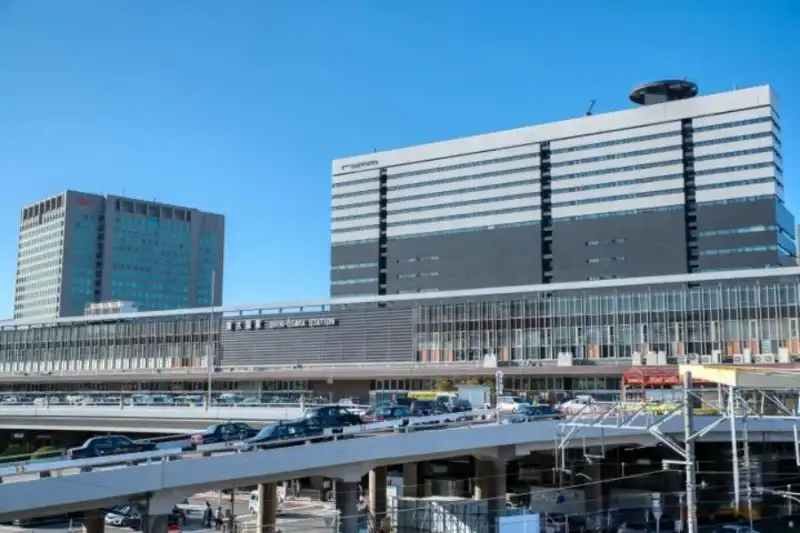
Table of Contents
Overview of Shin-Osaka Station
Getting There
Shin-Osaka Station vs. Osaka Station
Platforms and transfers
Shinkansen, conventional JR and Osaka Metro areas occupy different levels and paid zones. Follow the current line name, destination and gate signs instead of relying on an old platform number. The live departure board is the source of truth for the day's platform.
For Osaka or Umeda, local JR trains provide a short connection. For Namba and central subway stops, follow Osaka Metro Midosuji Line signs. Leave extra time when collecting tickets, using elevators or transferring with large luggage.
Facilities and services
Shin-Osaka has ticket offices, machines, lockers, staffed luggage options, convenience stores, cafés and restaurants. Locations, capacity and opening hours can change, so use the station map and current signs. Do not plan a tight connection around a particular shop or locker being available.
Booking Shinkansen tickets
Compare actual trains, seats and total prices for your date. A reserved seat is useful during busy periods, but seat location and availability are confirmed only by the booking result. The ticket delivery or collection method depends on the product.
Busy travel periods and the JR Pass
Golden Week, Obon, the New Year period and weekend peaks can be busy. Book earlier if adjacent seats or oversized-baggage space are important. JR Pass eligibility depends on the exact pass, train and any supplemental ticket, so check the current official conditions.
Food and nearby areas
Station dining includes Osaka and Kansai specialties, but tenants and hours change. Osaka Station and Umeda are a short local-train journey away; Namba, Dotonbori and other districts require an onward subway or rail connection.
Travel tips
Keep the train name and departure time available, follow the current platform display, and avoid confusing Shin-Osaka with Osaka Station. If you have a short connection, locate the correct transfer gate before stopping for food.
Connecting beyond Shin-Osaka
Travelers arriving on the Tokaido Shinkansen may continue west on a Sanyo service, but not every train runs through to every destination. Confirm whether the itinerary is direct or requires a change at Shin-Osaka. Compare the train number and destination, not only the departure time.
Check whether the booking ends at Shin-Osaka and whether a local Osaka connection is included or separate. Osaka Station and Umeda use a short JR connection, while Namba and many central districts are reached by subway. The best transfer depends on the hotel and luggage.
Luggage, ticket collection and station time
Large lockers and staffed storage can fill during holidays. If you are staying in Osaka, consider leaving bags at the hotel or using luggage delivery. Keep collection instructions available and do not wait until the final minutes before departure to find a machine or counter.
Elevators and escalators connect major levels, but an accessible route may be longer than the stairs. Families with strollers and passengers with mobility needs should leave recovery time. Locate the correct transfer gate before stopping for food.
Planning onward travel
Shin-Osaka is primarily a transport hub rather than the main sightseeing center. For Kyoto, Kobe or Hiroshima, search the through journey to see whether remaining on the Shinkansen or changing to a local service is more practical. For an airport connection, check the complete route and leave a buffer for local transport.
Station shops and restaurants are useful during a connection, but tenants and operating times change. Do not base a short transfer on a particular shop being open or a large locker being available.
Practical station planning
Save the station name in both English and Japanese and keep the train name, departure time and destination available offline. Large stations can have several companies, paid areas and exits with similar names. If a sign conflicts with an old screenshot, follow the current departure board and ask staff.
Allow more time than a commuter would need. Ticket collection, elevators, restroom stops, food purchases and walking through a crowd can add meaningful time. During construction, temporary barriers may change the route even when the final gate remains the same.
Using tickets and gates
Keep all paper tickets together and follow the instructions issued with the booking. Some journeys use more than one railway component or a linked IC card. If the gate rejects the ticket, do not repeatedly force it through; use the staffed gate and show the complete booking.
After entering, compare the train name and destination as well as the platform. Two trains can leave close together but have different stopping patterns. Keep the ticket until the final exit because it may be collected by the gate.
Food, connectivity and delays
Buy food only after locating the correct gate when the connection is short. Station shops can be busy and a favorite product may sell out. Carry a charged phone and save the booking confirmation, but remember that mobile reception can be weaker in underground passages.
During a delay, use the railway's live boards and staff announcements. Do not assume a missed connection can be solved by boarding any Shinkansen. Ticket conditions determine which alternative trains are permitted, and reserved seats may need to be changed.
Traveling with a group
Agree on a meeting point before entering the paid area and share the train details with every traveler. Large concourses have several gates with similar names, and a message saying only “at the station” is not precise enough. Families should keep one adult responsible for tickets while another watches the luggage and children. If the group separates, meet at a staffed gate rather than blocking a platform staircase.
Leaving the station
Match the exit to the hotel or landmark before passing through the final gate. A taxi rank, bus stop or hotel can be on the opposite side of a large station, and walking around the outside with luggage may take longer than an internal route. For late arrivals, verify the final local connection and accommodation check-in arrangements.
Save the booking and hotel address offline before travel. A Japanese station name can help staff confirm the route when places have similar English names. Keep the group together near stairs and platforms, and move away from the passenger flow before stopping to check a map.
Frequently asked questions
Is Shin-Osaka Station the same as Osaka Station?
No. Shin-Osaka is the Shinkansen station. Osaka Station is a separate hub for local and regional trains in the Umeda area.
How do I get from Shin-Osaka to Umeda or Namba?
JR trains connect Shin-Osaka with Osaka Station for Umeda. The Osaka Metro Midosuji Line serves both Umeda and Namba.
Which Shinkansen lines use Shin-Osaka?
Shin-Osaka links the Tokaido and Sanyo Shinkansen corridors, with through services continuing on selected Kyushu Shinkansen routes.
Can I use the JR Pass on Nozomi or Mizuho?
The nationwide JR Pass requires a separate special ticket for Nozomi and Mizuho. Check the current JR Pass rules before choosing a train.
How early should I arrive at Shin-Osaka?
Allow extra time to find the correct Shinkansen gate and platform, especially during holidays or when transferring with luggage.
![How to Pick Up Shinkansen Tickets: Skip 45-Min Lines [2026]](https://static.trainbook.online/images/articles/cover-1774027511628.png)
![Shinkansen Family Tickets & Group Booking: How to Sit Together [2026]](https://static.trainbook.online/images/articles/cover-1774028141349.png)