
Shinagawa Station Guide: Shinkansen, Exits & Haneda
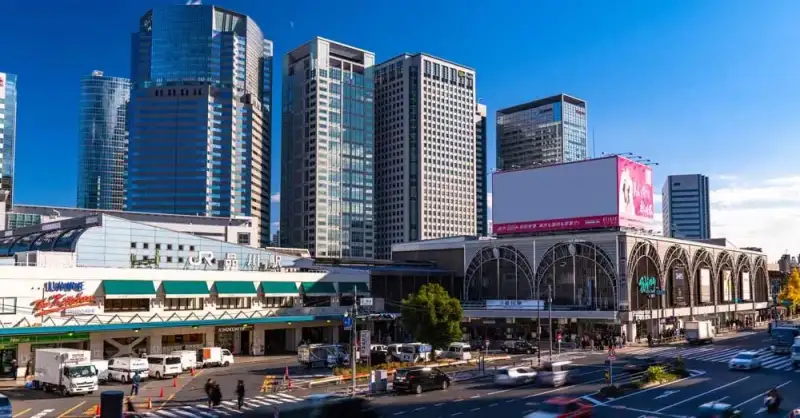
Shinagawa Station is a practical Tokyo departure point for the Tokaido Shinkansen, especially if you are staying in southern Tokyo or arriving from Haneda Airport. JR, the Shinkansen and Keikyu use connected but separate gate areas, so check the line name on the overhead signs before entering.
Shinagawa Station quick answers
- For the Shinkansen: follow signs for the Tokaido and Sanyo Shinkansen and confirm the train name, destination and departure board.
- For Haneda Airport: follow Keikyu signs and check that the selected service reaches the airport or where a transfer is required.
- For the east side: use the Konan Exit for offices, Shinagawa Intercity and the waterfront side.
- For the west side: use the Takanawa Exit for many hotels and attractions on the Takanawa side.
- With luggage: allow extra time for elevators, ticket collection and busy transfer gates.
Using the Shinkansen at Shinagawa
Shinagawa is served by Tokaido Shinkansen trains running between Tokyo and destinations to the west, including Nagoya, Kyoto, Shin-Osaka and points on the Sanyo route. The exact service and stopping pattern depend on the train and date, so search from Shinagawa rather than assuming a Tokyo Station itinerary is interchangeable.
If you arrive on a JR local line with the correct ticket arrangement, follow the Shinkansen transfer-gate signs inside the JR area. If you need to collect a ticket or arrive from Keikyu, allow additional time to find the correct gate. At the platform, confirm the train name and destination as well as the platform number.
Shinagawa does not replace Tokyo Station for every Shinkansen line. For the Tohoku, Joetsu and Hokuriku Shinkansen, check connections from Tokyo or Ueno instead.
JR and Keikyu transfers, including Haneda Airport
JR lines at Shinagawa include the Yamanote, Keihin-Tohoku, Yokosuka and Ueno-Tokyo corridor services. Keikyu operates from a separate gate area connected to the station and is the main rail option between Shinagawa and Haneda Airport.
For Haneda, follow signs marked Keikyu Line and check the live destination display before boarding. Service patterns vary: some trains serve the airport directly, while others require a transfer. Keep enough time between an airport train and a reserved Shinkansen because walking, gates and ticket collection can add time.
If a through service or platform shown online differs from the station display, follow the current railway signs and ask staff at a staffed gate.
Konan Exit or Takanawa Exit?
| Exit | Side | Useful for |
|---|---|---|
| Konan Exit | East | Shinagawa Intercity, offices, buses and the waterfront side |
| Takanawa Exit | West | Keikyu side, many hotels and attractions around Takanawa |
Choose the exit from your hotel or landmark address before leaving the paid area. Walking around the outside of the station with luggage can take longer than changing direction inside. Construction and temporary routes may alter the shortest path, so current signs take priority over old maps.
Shinagawa or Tokyo Station for the Shinkansen?
Shinagawa is often more convenient from Haneda Airport, southern Tokyo and neighborhoods on the southern Yamanote Line. Tokyo Station may be better for Marunouchi, Ginza, eastern or northern Tokyo and offers connections to additional Shinkansen lines.
Compare the complete journey from your accommodation, not just the Shinkansen ride. Search using the station you will actually board at, then confirm that station on the ticket before travel.
Luggage and accessible travel
Coin lockers are available in and around Shinagawa Station, but large lockers can fill during busy periods. Keep a backup plan such as another locker area or luggage forwarding, and do not leave a short connection dependent on finding an empty locker.
Elevators and escalators are available, although the accessible route may be longer than the route using stairs. Travelers with a wheelchair, stroller or several bags should follow accessibility symbols and allow extra transfer time.
For oversized baggage on applicable Tokaido, Sanyo and Kyushu Shinkansen services, measure the total dimensions before travel and reserve a compatible seat when the railway rules require it. Check the current baggage conditions for the selected train.
Before you travel
- Search the exact date from Shinagawa and choose the intended train.
- Confirm whether the ticket must be collected or is linked to another travel method.
- Save the train name, departure time and destination offline.
- Allow extra time for Haneda transfers, elevators and luggage.
- Follow the live departure board if it differs from an older screenshot or map.
Frequently asked questions
Does the Tokaido Shinkansen stop at Shinagawa Station?
Yes. Tokaido Shinkansen services stop at Shinagawa, but confirm the stopping pattern for the train and date you select.
Is Tokyo Station or Shinagawa better for the Shinkansen?
Shinagawa is often easier from southern Tokyo or Haneda Airport. Tokyo Station may be better for other Shinkansen lines and central or eastern Tokyo. Compare the full transfer from your accommodation.
How do I reach Haneda Airport from Shinagawa?
Follow signs for the Keikyu Line and check the train destination. Some services reach the airport directly and others may require a transfer.
Which exit should I use at Shinagawa?
Use the Konan Exit for the east-side business and waterfront area, and the Takanawa Exit for the west side and many nearby hotels. Confirm your destination on a current map.
Can I store luggage at Shinagawa Station?
Coin lockers are available, but large spaces can fill quickly. Leave time to find another locker area or use a luggage service.
![How to Pick Up Shinkansen Tickets: Skip 45-Min Lines [2026]](https://static.trainbook.online/images/articles/cover-1774027511628.png)
![Shinkansen Family Tickets & Group Booking: How to Sit Together [2026]](https://static.trainbook.online/images/articles/cover-1774028141349.png)