
Tokyo to Mount Fuji: Train, Bus & Shinkansen Guide 2026
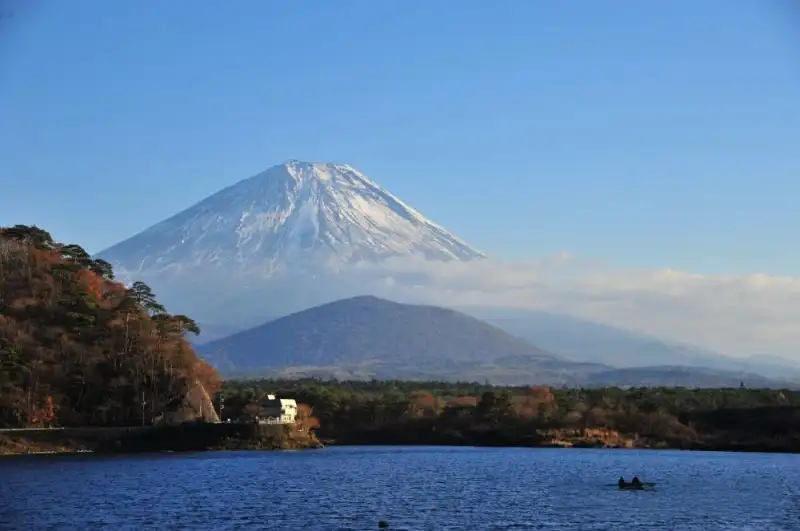
Tokyo and Mount Fuji are connected by several rail and bus options, but there is no single Shinkansen that runs from central Tokyo to the main Fuji sightseeing areas. Choose the destination first: Kawaguchiko and Fuji Five Lakes, Hakone, or the south side around Mishima and Shin-Fuji require different routes.
Fuji Excursion and Chuo Line trains
The Fuji Excursion limited express can provide a direct reserved-seat journey from Shinjuku toward Kawaguchiko on selected departures. Service frequency and times vary, and seats can sell out, so search the actual travel date. Another rail option uses a JR Chuo Line service to Otsuki and a transfer to the Fujikyu Railway.
Do not rely on an old list of departure times or a fixed fare. Check whether the selected train is direct, whether a transfer is required and how the ticket is issued for both railway operators.
Highway bus and Shinkansen connections
Highway buses can link Tokyo or Shinjuku with Kawaguchiko and other Fuji areas. They may be straightforward but are affected by road traffic and require a reservation on many departures. For Hakone, travelers commonly combine rail with local transport. For the south side of Mount Fuji, a Tokaido Shinkansen to Mishima or Shin-Fuji followed by a bus can be practical.
Travel time and price depend on the destination, departure, traffic and connections. Compare the full door-to-door journey rather than choosing a route only because it includes a bullet train.
There is no direct bullet train to Mount Fuji
A common search for a “bullet train to Fuji” hides an important distinction: neither Kawaguchiko nor the mountain itself is on a Shinkansen line. For the Fuji Five Lakes, most travelers use Shinjuku and reach Kawaguchiko by the Fuji Excursion, by a Chuo Line train with a transfer at Otsuki, or by highway bus.
The Tokaido Shinkansen is useful for a different side of the region. Travel to Mishima for connections toward the southern Fuji area, Lake Kawaguchi buses, or parts of Hakone. Do not choose Mishima if your plan assumes you will arrive directly beside Lake Kawaguchi; it still requires an onward road connection.
Tokyo to Mount Fuji transport comparison
| Option | Best for | Main trade-off |
|---|---|---|
| Fuji Excursion | Direct Shinjuku–Kawaguchiko rail trip | Limited reserved seats |
| Chuo Line + Fujikyu Railway | More departure choices | Transfer at Otsuki |
| Highway bus | Simple, often lower-cost trip | Road traffic can delay arrival |
| Shinkansen to Mishima | Southern Fuji or Hakone itinerary | Bus connection still required |
Seasonal planning and luggage
Cherry-blossom weeks, autumn foliage, weekends and Japanese holidays can sell out well ahead. Weather is just as important as transport: Mount Fuji can remain hidden by clouds, so no route or seat can guarantee a view. If the mountain is the main purpose of the trip, keep the day flexible where possible.
For a day trip, carry only what you need. Larger suitcases are awkward on local buses and can reduce flexibility. Consider leaving bags at a hotel, station locker or delivery service before traveling to the Fuji area, and confirm locker availability rather than relying on one location.
Choose the correct Mount Fuji area
Kawaguchiko is a popular base for the Fuji Five Lakes and northern views. Hakone is a separate resort area southeast of the mountain, while Mishima and Shin-Fuji are useful gateways for the southern side. A search for “Mount Fuji” without choosing one of these destinations can produce the wrong route.
Decide whether the trip focuses on views, hiking, a theme park, hot springs or a particular hotel. A comfortable route for Kawaguchiko may be inefficient for Hakone, while a Shinkansen connection can suit travelers continuing west after the southern side.
Day trip or overnight stay
A day trip is possible, but local buses and transfers shorten the sightseeing window. An overnight stay offers more flexibility for weather and reduces pressure on the return connection. Reserve the trip back as carefully as the outbound journey and check the last practical local connection.
Tickets, passes and luggage
JR and private-railway sections may use different tickets. A nationwide JR Pass does not automatically cover every private-rail segment or bus. Compare the exact covered area before buying a pass.
Large luggage is inconvenient on local buses and during transfers. Use a hotel, locker or forwarding service when possible. Travelers using a Shinkansen segment should also check the high-speed train's oversized-baggage rule.
Weather and seasonal decisions
Mount Fuji visibility depends on clouds and can change quickly. No train, bus or seat can guarantee a view. Check the weather shortly before travel and keep the itinerary flexible if seeing the mountain is the main goal. Winter can offer clearer air, while snow, wind and seasonal closures affect hiking and local roads.
Official climbing seasons, trail access and local buses vary by year. A transport ticket to the Fuji area is not permission or preparation to climb. Check the relevant local authority, carry suitable clothing and avoid planning a summit attempt from a general sightseeing timetable.
Making connections reliable
Keep enough time at Otsuki, Mishima, Shin-Fuji or another transfer point. Different operators may use separate gates and ticket rules. Confirm the destination printed on the bus or train and save the accommodation address in Japanese.
For the return to Tokyo, choose a connection that leaves a buffer before the last practical service. Road traffic can delay buses, while limited-express reserved seats can sell out. A backup route is useful during weekends and peak foliage periods.
What to carry
Temperatures around the lakes and mountain can differ from central Tokyo. Carry water, a light outer layer, sun protection and a charged phone even on a day trip. Download the return route and accommodation details because mobile coverage can vary outside the main stations.
Food choices and cashless payment can be more limited away from major stations. Carry a small payment backup and do not assume every sightseeing bus accepts the same Tokyo transit card. Check the local operator information for the selected route.
Frequently asked questions
Is there a direct Shinkansen from Tokyo to Mount Fuji?
No. The Shinkansen does not go directly to Kawaguchiko or the mountain. Use the Fuji Excursion, a Chuo Line connection, a highway bus, or the Tokaido Shinkansen to Mishima for the southern side.
What is the easiest train from Tokyo to Kawaguchiko?
The limited-express Fuji Excursion is direct from Shinjuku on selected departures. Seats are limited, so compare it with connections at Otsuki.
Can I take a bullet train to see Mount Fuji?
The Tokaido Shinkansen to Mishima is useful for the southern Fuji and Hakone area, but it does not reach Kawaguchiko.
Is the bus or train better for Mount Fuji?
The bus can be simple and economical but is affected by traffic. Rail is more predictable, while direct limited-express seats can sell out.
Can Mount Fuji views be guaranteed?
No. Clouds frequently hide the mountain even on otherwise pleasant days. Keep the itinerary flexible and check the weather.
![How to Pick Up Shinkansen Tickets: Skip 45-Min Lines [2026]](https://static.trainbook.online/images/articles/cover-1774027511628.png)
![Shinkansen Family Tickets & Group Booking: How to Sit Together [2026]](https://static.trainbook.online/images/articles/cover-1774028141349.png)