
Shibuya Station Guide 2026: Exits, Transfers & Hachiko
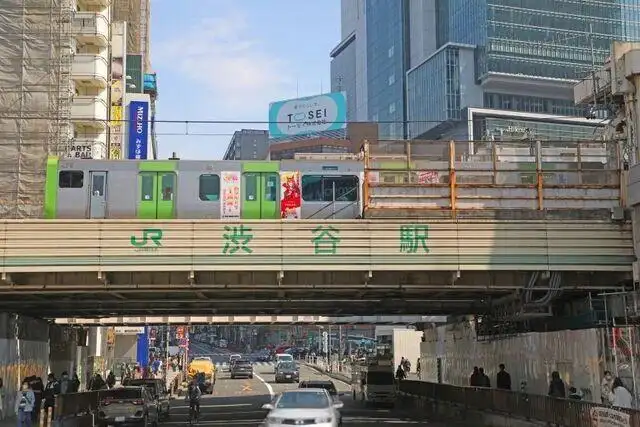
If you are a dog lover and admire canine loyalty, you must have heard of "Hachi: A Dog's Tale"—the story of a devoted dog who, even after his owner's passing, continued to wait every day at the station where he used to greet his master after work. Though he never again heard the voice that would say, "Let's go home," while gently patting his head, Hachi never gave up. This film was adapted from a true story that took place in Japan in 1935. The real-life station where Hachi waited faithfully for his owner is none other than Shibuya Station.
Shibuya Station, a major transportation hub in Tokyo famous for its "scramble crossing," can often be confusing for first-time visitors when transferring between lines. With nine train lines converging here and a structure spanning three floors above ground and five below, the station is like a three-dimensional maze. Its interconnected passageways can easily lead you in the wrong direction if you're not careful. As someone who used to commute through this station daily, I'll guide you step-by-step through the intricacies of transferring at Shibuya Station. Next time you visit, you'll be able to navigate it with ease!
1. Station Transportation Overview
Getting to Shibuya from various parts of Tokyo is very convenient. The station is served by three major transportation systems—JR, private railways, and the subway—with a total of 10 train lines passing through. Below is a breakdown for your reference:
・JR East: Yamanote Line, Saikyo Line, Shonan-Shinjuku Line, Narita Express (N'EX)
・Tokyo Metro: Ginza Line, Hanzomon Line, Fukutoshin Line
・Tokyu Corporation: Toyoko Line, Den-en-toshi Line
・Keio Corporation: Inokashira Line
Overall, compared to major stations like Tokyo, Shinjuku, or Ikebukuro, the commercial area around Shibuya Station is relatively more concentrated. If you’re planning to go shopping in Shibuya, simply head to the Hachiko Exit—this will give you easy access to most of Shibuya’s main shopping districts and department stores. That said, due to the multiple transportation systems and branch lines passing through Shibuya, familiarizing yourself with the station’s layout in advance can save you a lot of time when transferring.
2. Station Interior Layout
2.1 Station Layout – Three Floors
JR Shibuya Station has five ticket gates distributed across three different floors:
- 1F (Ground Floor): Hachiko Ticket Gate, South Ticket Gate
- 2F (Second Floor): Tamagawa Ticket Gate
- 3F (Third Floor): Central Ticket Gate, New South Ticket Gate
All train platforms are located on the 2nd floor. To navigate efficiently, it’s recommended to confirm your intended ticket gate before moving through the station.
JR lines, exits and transfer strategy
Shibuya is served by JR, Tokyo Metro, Tokyu and Keio services across several connected buildings and underground levels. The Yamanote, Saikyo and Shonan-Shinjuku lines do not all share the same route through the station. Construction and gate routes can change, so use the live line name, destination and gate signs rather than memorizing an old platform number.
Choose the destination area before following an exit. Hachiko and the Scramble Crossing are normally approached through the Hachiko-side signs; Shibuya Stream and southern developments use different exits. If accessibility is important, follow elevator symbols from the platform instead of taking the shortest staircase.
How to transfer at Shibuya Station
First identify the operating company of the next train. JR-to-JR transfers normally remain inside the JR paid area, while moving to Tokyo Metro, Tokyu or Keio may require a different concourse or gate. Check the color and full line name because similarly placed arrows can lead to different floors.
Allow additional time during rush hour, with luggage or when using lifts. If the route feels unclear, return to a main concourse and ask station staff rather than following a narrow passage away from the line signs. Departure boards provide the current platform and destination.
Luggage and meeting points
Coin lockers and staffed storage exist around Shibuya, but capacity varies and large lockers can fill. Store luggage before entering the busiest passages if possible. For meeting someone, name a specific landmark and exit, such as the Hachiko area, rather than saying only “Shibuya Station.”
Nearby attractions
The Scramble Crossing, Center-gai, Miyashita Park, Shibuya Sky and major shopping buildings are walkable from different exits. Admission prices, reservation rules and opening hours change, so check the attraction's current official information before visiting.
Exit planning by destination
The Hachiko area is a common starting point for the Scramble Crossing, Center-gai and Shibuya 109. Southern and eastern exits can be more convenient for Shibuya Stream, hotels and offices. Miyashita Park and the Cat Street direction use another side of the station. Confirm the landmark on a current map because building connections and numbered exits can change.
When transferring to Tokyo Metro, Tokyu or Keio, follow the full line name and operator logo. Some passages are underground while others cross above the street. A route that looks close horizontally can still require several level changes.
Accessibility and busy periods
Shibuya is busiest during commuting hours and weekend evenings. Travelers with wheelchairs, strollers or large suitcases should follow elevator signage and avoid a very short transfer. Station staff can provide an accessible route when construction changes a familiar passage.
Practical station planning
Save the station name in both English and Japanese and keep the train name, departure time and destination available offline. Large stations can have several companies, paid areas and exits with similar names. If a sign conflicts with an old screenshot, follow the current departure board and ask staff.
Allow more time than a commuter would need. Ticket collection, elevators, restroom stops, food purchases and walking through a crowd can add meaningful time. During construction, temporary barriers may change the route even when the final gate remains the same.
Using tickets and gates
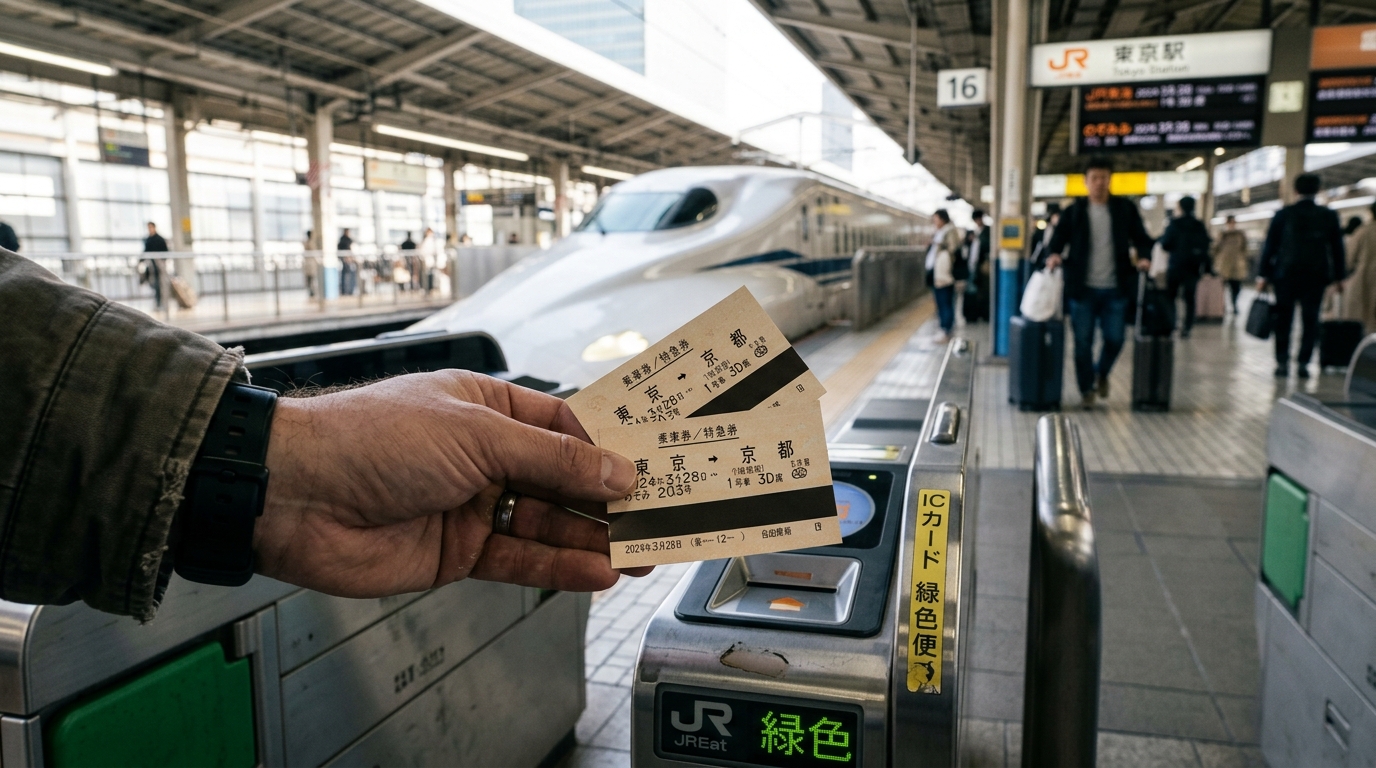
Keep all paper tickets together and follow the instructions issued with the booking. Some journeys use more than one railway component or a linked IC card. If the gate rejects the ticket, do not repeatedly force it through; use the staffed gate and show the complete booking.
After entering, compare the train name and destination as well as the platform. Two trains can leave close together but have different stopping patterns. Keep the ticket until the final exit because it may be collected by the gate.
Food, connectivity and delays
Buy food only after locating the correct gate when the connection is short. Station shops can be busy and a favorite product may sell out. Carry a charged phone and save the booking confirmation, but remember that mobile reception can be weaker in underground passages.
During a delay, use the railway's live boards and staff announcements. Do not assume a missed connection can be solved by boarding any Shinkansen. Ticket conditions determine which alternative trains are permitted, and reserved seats may need to be changed.
Traveling with a group
Agree on a meeting point before entering the paid area and share the train details with every traveler. Large concourses have several gates with similar names, and a message saying only “at the station” is not precise enough. Families should keep one adult responsible for tickets while another watches the luggage and children. If the group separates, meet at a staffed gate rather than blocking a platform staircase.
Leaving the station
Match the exit to the hotel or landmark before passing through the final gate. A taxi rank, bus stop or hotel can be on the opposite side of a large station, and walking around the outside with luggage may take longer than an internal route. For late arrivals, verify the final local connection and accommodation check-in arrangements.
Save the booking and hotel address offline before travel. A Japanese station name can help staff confirm the route when places have similar English names. Keep the group together near stairs and platforms, and move away from the passenger flow before stopping to check a map.
Frequently asked questions
Which Shibuya Station exit leads to the Hachiko statue?
Follow signs for Hachiko. Numbered subway exits and JR gate names are different systems, so confirm the operator and current sign before leaving the paid area.
Why is Shibuya Station difficult to navigate?
JR, Tokyo Metro, Tokyu and Keio lines meet on several levels. Construction can also change passages, so allow more transfer time than the timetable alone suggests.
How do I transfer between JR and Tokyo Metro at Shibuya?
Follow the color and line-name signs for your destination. Some transfers involve long corridors and level changes; use lifts when traveling with luggage.
Does Shibuya Station have lockers?
Yes, but availability varies by gate area and busy periods. Do not rely on one specific locker bank.
Which exit is best for Shibuya Scramble Crossing?
The Hachiko side of the station is the usual approach. Follow current Hachiko or Scramble Crossing signs because construction can alter the route.
![How to Pick Up Shinkansen Tickets: Skip 45-Min Lines [2026]](https://static.trainbook.online/images/articles/cover-1774027511628.png)
![Shinkansen Family Tickets & Group Booking: How to Sit Together [2026]](https://static.trainbook.online/images/articles/cover-1774028141349.png)