Shinjuku to the Shinkansen: Tokyo & Shinagawa Transfers
Shinjuku Station has no Shinkansen platforms. For a bullet-train journey, take a conventional train to the departure station shown on your reservation. Tokyo and Shinagawa are useful options, but the right choice depends on your destination, ticket and starting point.
Do not treat a train's running time as the complete transfer time. Finding the JR gate at Shinjuku, walking between platforms and collecting a ticket can all add time. Plan the full journey from your accommodation to the Shinkansen platform.
Tokyo or Shinagawa: which interchange should you choose?
| Interchange | Route from Shinjuku | Useful for |
|---|---|---|
| Tokyo Station | JR Chuo Line Rapid toward Tokyo | Tokaido and northbound Shinkansen connections |
| Shinagawa Station | JR Yamanote Line toward Shibuya and Shinagawa | Tokaido Shinkansen toward Nagoya, Kyoto and Shin-Osaka |
The official JR East Shinjuku timetable distinguishes the Chuo Rapid service toward Tokyo from westbound trains and the Chuo-Sobu local line. Check the complete line name and destination before boarding. Similar colors or familiar station names are not enough to identify the correct train.
Shinagawa does not serve the Tohoku, Joetsu or Hokuriku Shinkansen. For a northern journey, select an appropriate interchange rather than assuming every Tokyo-area Shinkansen station serves the same routes.
Transferring through Tokyo Station
Use a suitable Chuo Rapid service bound for Tokyo and confirm current running information. On arrival, follow signs for the Shinkansen operator and destination you need. Tokaido services toward Kyoto and Osaka and JR East's northbound services have different gate areas.
Check your departure on the station display before entering. If your booking requires collection, locate a compatible ticket machine or counter first. A train connection that looks comfortable on a timetable may be too tight if you have not completed the ticket steps.
Our Tokyo Shinkansen station guide explains the destination choices. The official Tokyo Station timetable helps you check the lines separately.
Transferring through Shinagawa
For the Tokaido Shinkansen, a Yamanote Line journey via Shibuya to Shinagawa can be convenient. Compare it with the Tokyo option using your actual departure time and hotel location. There is no universal fastest choice for every traveler.
At Shinagawa, follow Shinkansen transfer signs from the JR conventional area. Prepare the ticket or admission method specified by your booking and check the train, car and seat. Read the Shinagawa Station guide before traveling with a tight connection or several bags.
Tickets and gates
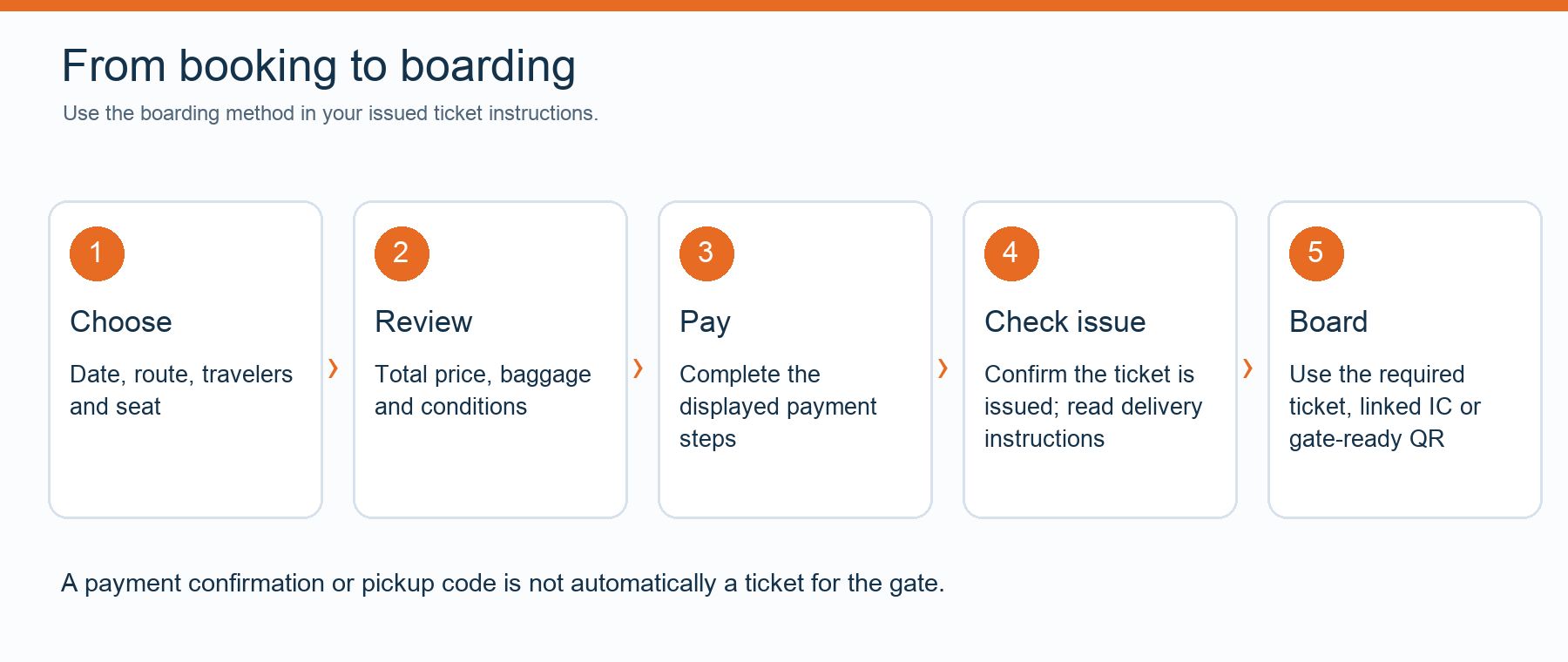
Your local ride and Shinkansen reservation can require different tickets. A stored-value IC card alone is not automatically valid for a reserved bullet train. Some bookings require paper tickets, while others use a supported QR code or linked IC arrangement. Follow the instructions for your particular product.
Before payment, verify the departure station rather than assuming you can board from any station in Tokyo. If your plans change, check the booking's conditions with the issuer. For the practical sequence, see ticket pickup and how to board.
A reliable connection checklist
- Save your departure station, train and ticket instructions.
- Check Shinjuku's official JR station map and the entrance nearest your accommodation.
- Include platform walking, lifts, queues and any collection in the connection time.
- Check service information before leaving and avoid depending on the final possible local connection.
Shinjuku also serves limited-express trains, including journeys toward the Mount Fuji area; these are different from the Shinkansen. If Kawaguchiko is your destination, consult the Fuji Excursion guide before booking a bullet-train route that may not suit your trip.