Tokyo Shinkansen stations, Tokaido Shinkansen, bullet train platforms, Ueno Station, Shinagawa Station, JR EastGeneral9 min read

Tokyo Shinkansen Stations Guide 2026: Save 15 Minutes

Tokyo Shinkansen Stations Guide 2026: Save 15 Minutes

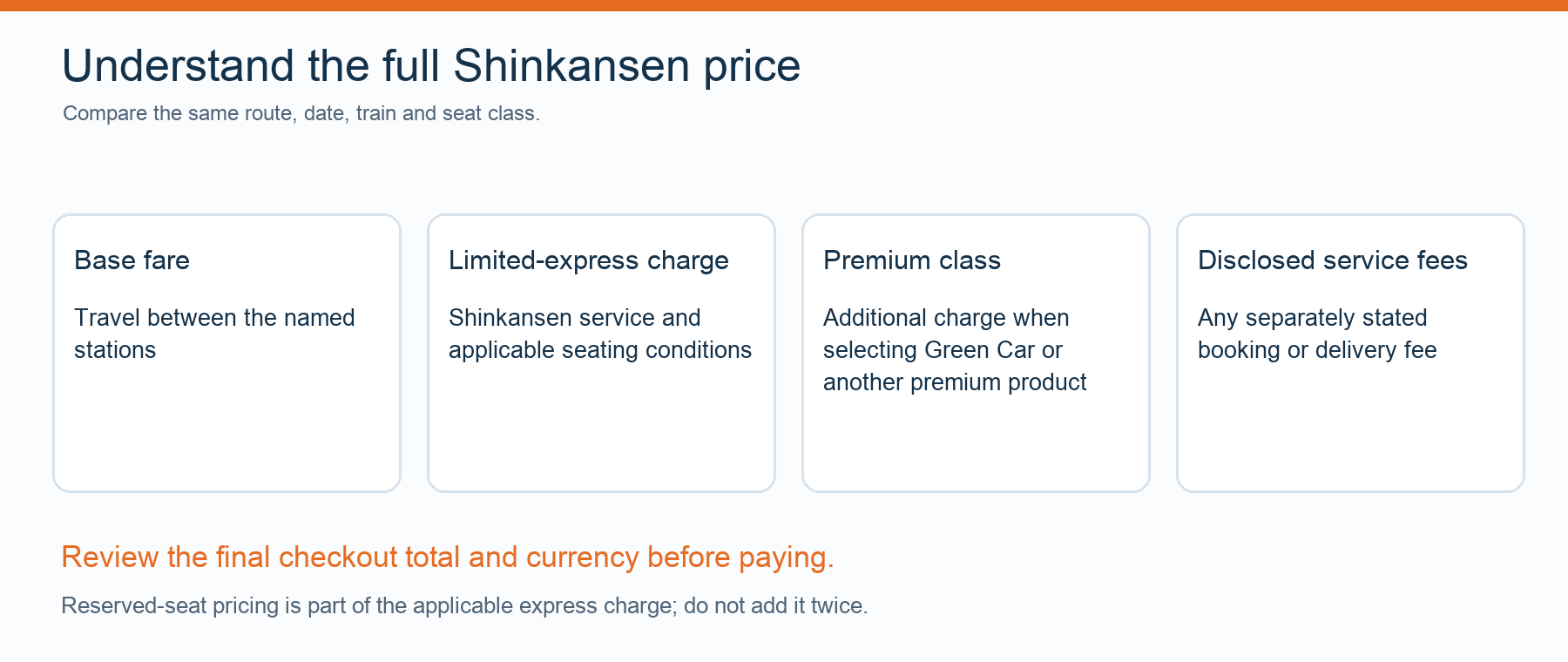
Key Takeaway: Tokyo Station connects to every bullet train line among the major Tokyo Shinkansen stations, but boarding at Shinagawa or Ueno often saves you 15 minutes of exhausting walking. Fares to Kyoto start at ¥13,320 for a crisp 2-hour and 15-minute journey. Skip the notorious morning ticket queues and book train tickets online to secure Mount Fuji window seats before you even pack your bags.

Three million people surge through these subterranean corridors every single day. Finding your correct platform among the various Tokyo Shinkansen stations often feels like solving a Rubik's cube while sprinting. But you don't need to panic. This 2026 guide maps out exactly where you need to stand. I have missed trains by wandering down the wrong concourse, so you don't have to.

Quick Overview: The Major Tokyo Shinkansen Stations at a Glance

The historic red brick facade of Tokyo Station Marunouchi side.

Not every major railway hub in the capital handles high-speed rail. You need to know exactly which departure point matches your destination when navigating Tokyo Shinkansen stations.

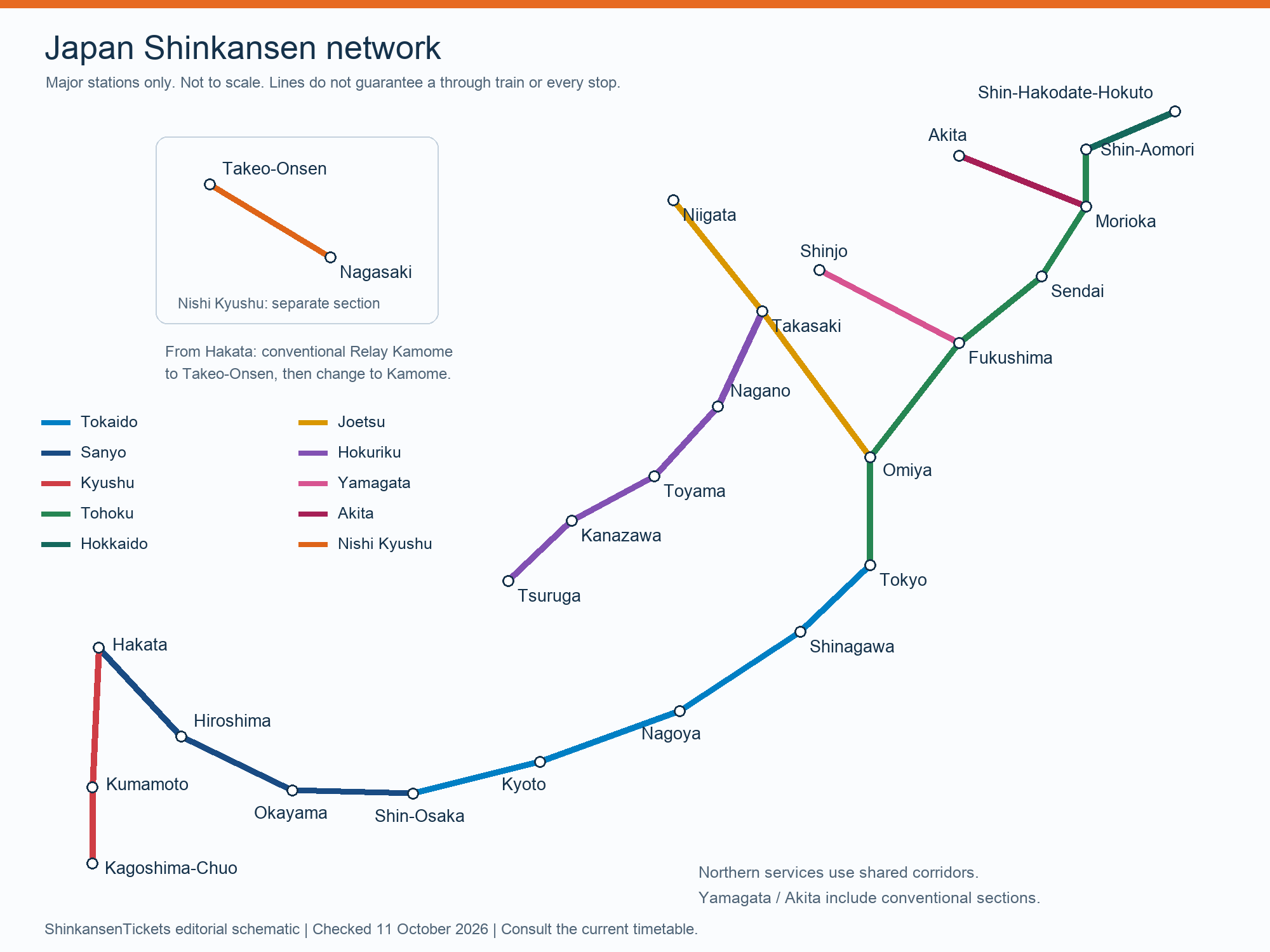
  • Tokyo Station: The undisputed king of Tokyo's Shinkansen stations. It serves every single bullet train line heading north, south, and west across the country.
  • Shinagawa Station: Your southern gateway. It handles the Tokaido Shinkansen toward Kyoto and Osaka with a fraction of the walking.
  • Ueno Station: The northern launchpad. Catch trains heading to the Japanese Alps, Nagano, and Aomori from deep underground platforms.
  • Shinjuku Station: The world's busiest transport hub has exactly zero bullet trains. You must transfer to Tokyo or Shinagawa first.

Which Terminal Should You Choose for Your Departure?

Location matters immensely when hauling heavy luggage, especially when departing from any of the Tokyo Shinkansen stations. Picking the wrong departure point easily adds 45 minutes to your morning transit.

Tokyo Station serves every single bullet train line, but Shinagawa is vastly easier to navigate if you are heading south to Kyoto or Osaka. The central hub is massive. Ten different high-speed platforms are scattered across two entirely separate security zones operated by different railway companies. This confuses almost everyone. If you swipe your ticket at the wrong gate, alarms will flash and the physical barriers will snap shut.

Here is how the major Tokyo Shinkansen stations break down by destination.

Major Tokyo Shinkansen Stations and Connected Routes
Station Hub Shinkansen Lines Served Best Used For Action
Tokyo Station Tokaido, Sanyo, Tohoku, Hokuriku, Joetsu, Yamagata, Akita Connecting between northern and southern routes, or originating journeys. Check prices
Shinagawa Station Tokaido, Sanyo Fast departures to Kyoto, Osaka, and Hiroshima without the massive crowds. Check prices
Ueno Station Tohoku, Hokuriku, Joetsu, Yamagata, Akita Quick access to northern routes if you are staying in Asakusa or Akihabara. Check prices
Shinjuku Station None (Local JR & Subway only) Transferring via the Chuo Line to reach Tokyo Station in 14 minutes. N/A

For detailed southern routes, consult our Tokaido Shinkansen Tickets & Guide: Tokyo to Osaka [2026]. Booking ahead saves you severe headaches.

Tokyo Station vs. Shinagawa: The Great Tokaido Debate

A white and blue N700S Shinkansen bullet train at Shinagawa Station.

Most tourists instinctively head to Tokyo Station. I highly recommend reconsidering that habit when choosing between Tokyo Shinkansen stations.

Shinagawa Station is smaller, smarter, and significantly less stressful. The transfer from the local Yamanote loop line to the Shinkansen tracks takes about three minutes. You simply walk across a single, well-lit concourse. At Tokyo Station, that same transfer involves navigating escalators, dodging hundreds of commuters, and walking past endless rows of bento shops. It takes at least ten minutes on a good day, highlighting the difference in transfer times at different Shinkansen stations in Tokyo.

But there is one minor trade-off. Because Shinagawa is the second stop for southbound trains, Tokyo Station passengers get first pick of the unreserved seating. If you are traveling during peak holiday seasons without a reserved ticket, boarding at the origin point guarantees you a seat. To avoid this entirely, Tokyo to Kyoto Bullet Train Tickets: How to Book Online [2026] shows you how to lock down a reserved seat weeks in advance.

The Two Halves of Tokyo Station

If you must use the main station, memorize the color codes. The blue signs belong to JR Central, which runs the Tokaido line south to Kyoto. The green signs belong to JR East, which runs the trains heading north to Hokkaido and the Japanese Alps. Do not mix them up. A ticket for Osaka will absolutely not work at the green northern gates.

To secure your spot on these high-demand routes, always check the latest prices on shinkansentickets.net.

Ueno Station: Your Gateway to the Japanese Alps

Underground bullet train platforms and signage at Ueno Station.

Ueno sits just a few miles north of the central hub. It serves as a brilliant alternative to other Tokyo Shinkansen stations for travelers heading toward Kanazawa, Nagano, or Hokkaido.

The high-speed platforms at Ueno are located four stories underground. It feels like descending into a futuristic bunker. Boarding at Ueno saves northern-bound travelers from navigating the massive Tokyo Station crowds, cutting transfer times by at least ten minutes. If your hotel is in Asakusa, Ueno, or Akihabara, catching your train here is a no-brainer. You avoid the congested Yamanote line entirely.

Fares and Times from Northern Tokyo Shinkansen Stations (2026 Rates)
Destination Shinkansen Line Travel Time Estimated Fare (Reserved)
Kanazawa Hokuriku (Kagayaki) 2h 28m ¥14,380
Nagano Hokuriku (Asama/Hakutaka) 1h 25m ¥8,340
Sendai Tohoku (Hayabusa) 1h 30m ¥11,410

Planning a trip to the coast? Read our Tokyo to Kanazawa Shinkansen: 2026 Price & Booking Guide for the fastest train schedules. You can easily book these northern routes online to guarantee your departure time.

Shinjuku Station: The 14-Minute Shinkansen Transfer

Crowded passenger concourse and JR transfer gates at Shinjuku Station.

Let us clear up the biggest misconception regarding Tokyo Shinkansen stations. Shinjuku Station does not have bullet trains.

Despite handling over 3.5 million passengers a day, this western hub relies entirely on local commuter lines and express trains. If you are staying in Shinjuku, Shibuya, or Harajuku, you must factor in a transfer. The absolute fastest way to reach the bullet train is taking the bright orange JR Chuo Line Rapid directly to Tokyo Station. It takes exactly 14 minutes.

The Chuo Line drops you on platforms 1 and 2 at Tokyo Station, which are mercifully close to the Shinkansen transfer gates compared to other Shinkansen stations in Tokyo. You simply walk downstairs, follow the blue Shinkansen signs, and pass through the transfer barrier. For a step-by-step walkthrough, our Shinjuku Station Shinkansen Guide: 14-Min Transfer [2026] details exactly which train car to board for the fastest exit.

Essential Amenities at Tokyo Shinkansen Stations

If you arrive early for your departure, knowing what facilities are available at the major Tokyo Shinkansen stations can save you a lot of hassle.

  • Coin Lockers: All three major hubs (Tokyo, Shinagawa, Ueno) feature hundreds of coin lockers. However, large lockers (capable of holding a 28-inch suitcase) fill up by 9:00 AM. Use a Suica or Pasmo card to lock and unlock them without needing exact change.
  • Waiting Rooms: Tokyo Station has dedicated, climate-controlled waiting rooms inside the Shinkansen ticket gates. Shinagawa offers a smaller waiting area but plenty of cafes nearby. Ueno's underground platforms can be chilly, so wait on the upper concourse until 10 minutes before departure.
  • Bento Shops (Ekiben): The "Ekibenya Matsuri" store inside Tokyo Station sells over 200 varieties of regional lunch boxes. It is legendary, but crowded. Shinagawa has excellent, less-crowded bento options inside the ecute shopping area before you pass the Shinkansen gates.

7 Pro Tips for Navigating Tokyo's Rail Hubs in 2026

Years of dragging luggage through these Tokyo Shinkansen stations have taught me a few hard lessons. Follow these rules to keep your trip smooth.

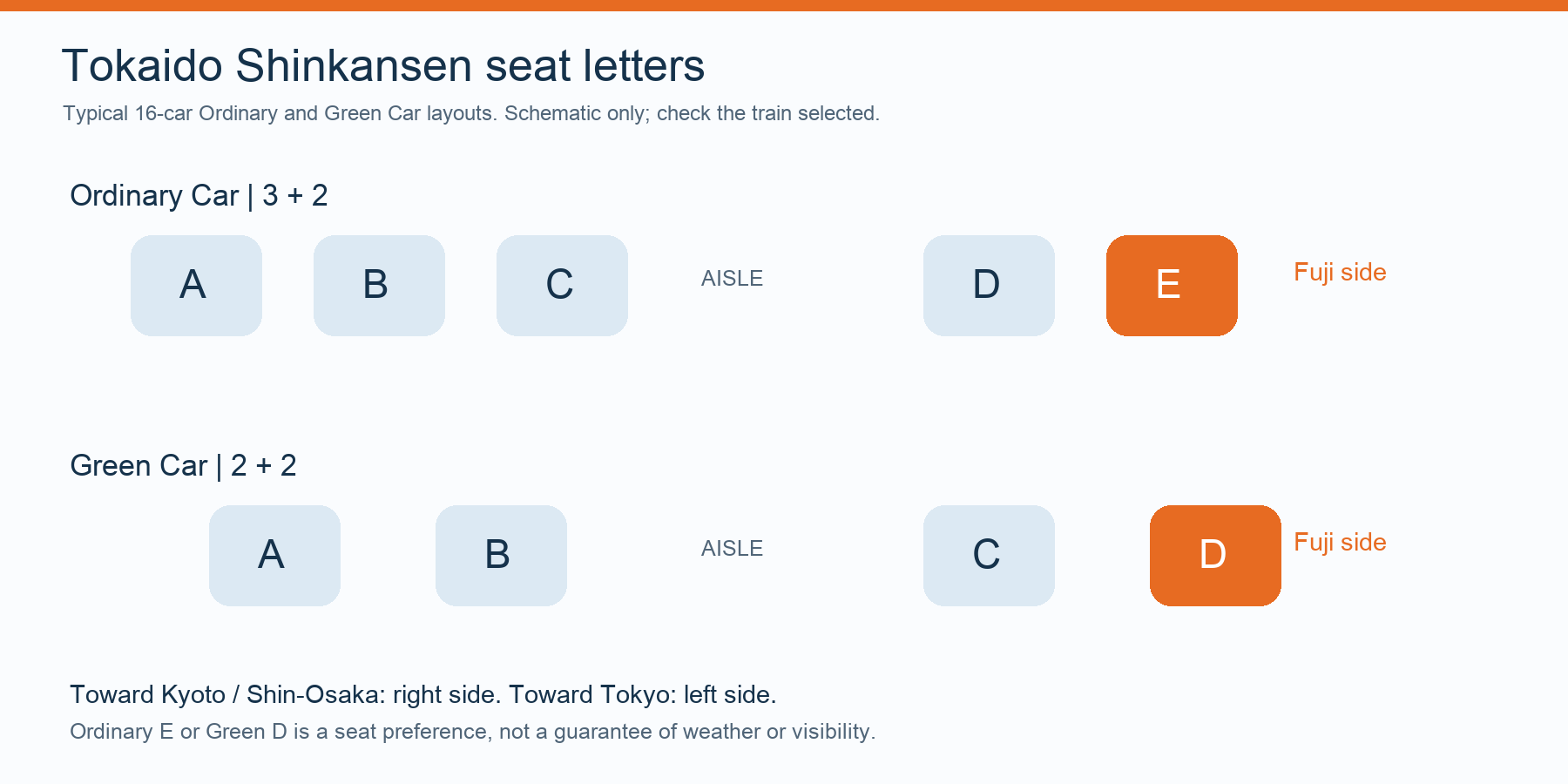
  1. Book Seat E for the mountain view. When heading south toward Kyoto, Seat E (or Seat D in Green Class) guarantees a view of Mount Fuji. These seats sell out quickly. Read our Mount Fuji View Seats: Book Seat E for Tokyo to Kyoto (2026) guide and reserve early.
  2. Use the Marunouchi side for photos, Yaesu side for trains. Tokyo Station's famous red-brick facade is on the Marunouchi (west) side. But the high-speed tracks are entirely on the Yaesu (east) side. Enter through Yaesu at Tokyo Shinkansen stations like the main hub to save yourself a ten-minute walk.
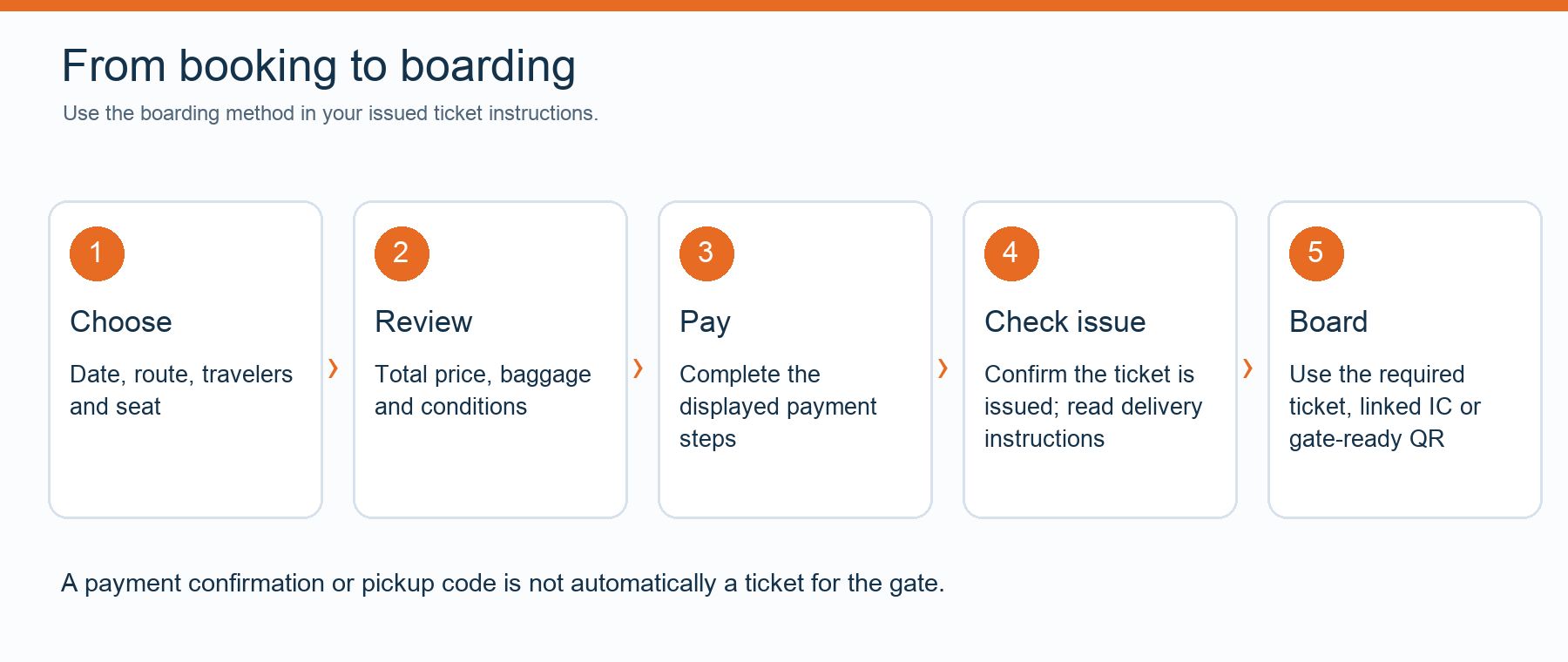
  3. Bypass foreign credit card blocks. The official JR websites frequently reject North American and European credit cards due to 3D Secure mismatches. This leaves travelers stranded. You can Book Shinkansen Tickets Online: Bypass Credit Card Rejections by using shinkansentickets.net, which processes international cards flawlessly.
  4. Know the oversized baggage rules. If your suitcase exceeds 160cm in total dimensions (height + width + depth), you legally must book a specific Oversized Baggage seat. Showing up without one results in a ¥1,000 fine and forced relocation.
  5. Buy your bento outside the gates. The food stalls inside the security zone have massive queues. Buy your lunch in the Daimaru department store basement (attached to Tokyo Station) before scanning your ticket.
  6. Skip the Shinagawa transfer if you have a Japan Rail Pass. If you are using a JR Pass, you cannot use the automatic transfer gates at Shinagawa. You must wait in line to show your pass to a human attendant, which defeats the purpose of the fast transfer.
  7. Do not rely on the last train. The final Nozomi departure leaves at 9:24 PM. If you miss it, you are sleeping in the capital.

Frequently Asked Questions

Which Tokyo Shinkansen stations have bullet trains?

Tokyo Station, Shinagawa Station, and Ueno Station are the only three Tokyo Shinkansen stations in the central city that serve bullet trains directly.

Does Shinjuku Station have Shinkansen?

No, Shinjuku Station does not have Shinkansen platforms; passengers must take the JR Yamanote or Chuo Line to Tokyo or Shinagawa Station to board bullet trains.

Is it better to board the Shinkansen at Tokyo or Shinagawa?

Shinagawa Station is often better for travelers heading south to Kyoto or Osaka because it is smaller, easier to navigate, and requires significantly less walking than the massive Tokyo Station hub.

How much is a Shinkansen ticket from Tokyo to Kyoto?

Shinkansen fares from Tokyo to Kyoto typically start at ¥13,320 for a reserved seat on the Nozomi train, which takes approximately 2 hours and 15 minutes. Book your ticket online to secure your seat.

Can I use a JR Pass at all Tokyo Shinkansen stations?

Yes, the JR Pass is accepted at Tokyo, Shinagawa, and Ueno stations for all eligible Shinkansen lines, though seat reservations are highly recommended during peak travel times.

คำถามที่พบบ่อย

Which Tokyo stations have Shinkansen?

Tokyo Station, Shinagawa Station, and Ueno Station are the only three stations in central Tokyo that serve Shinkansen bullet trains.

Does Shinjuku Station have Shinkansen?

No, Shinjuku Station does not have Shinkansen platforms; passengers must take the JR Yamanote or Chuo Line to Tokyo or Shinagawa Station to board bullet trains.

Is it better to board the Shinkansen at Tokyo or Shinagawa?

Shinagawa Station is often better for travelers heading south to Kyoto or Osaka because it is smaller, easier to navigate, and requires significantly less walking than the massive Tokyo Station hub.

How much is a Shinkansen ticket from Tokyo to Kyoto?

Shinkansen fares from Tokyo to Kyoto typically start at ¥13,320 for a reserved seat on the Nozomi train, which takes approximately 2 hours and 15 minutes.

Can I use a JR Pass at all Tokyo Shinkansen stations?

Yes, the JR Pass is accepted at Tokyo, Shinagawa, and Ueno stations for all eligible Shinkansen lines, though seat reservations are highly recommended during peak travel times.

Tags:Tokyo Shinkansen stationsTokaido Shinkansenbullet train platformsUeno StationShinagawa StationJR East