Tokyo to Kyoto Shinkansen ticketsShinkansen Routes8 min read

Tokyo to Kyoto Shinkansen Tickets: Book & Ride

Tokyo to Kyoto Shinkansen Tickets: Book & Ride

Tokyo to Kyoto Shinkansen Tickets

Tokyo to Kyoto is one of Japan’s easiest long-distance trips by train. The Tokaido Shinkansen links central Tokyo with Kyoto Station, so you avoid airport transfers and arrive in the middle of the city.

For most travelers, the decision is simple: book a reserved seat on a Nozomi if the time works for you. Hikari is a good alternative. Kodama is usually only worth choosing if you need one of the smaller stations along the route.

Check live Tokyo to Kyoto train times and ticket availability.

Tokyo to Kyoto route at a glance

RouteTokyo or Shinagawa to Kyoto
LineTokaido Shinkansen
Main train choicesNozomi, Hikari, Kodama
Fastest typical optionNozomi, usually a little over 2 hours
Best default ticketReserved Ordinary Car seat
Arrival stationKyoto Station

Which Shinkansen should you take?

The three train names on this route refer to stopping patterns. They are not different train companies. All run on the Tokaido Shinkansen between Tokyo and Kyoto.

Nozomi: fastest and easiest for most trips

Nozomi trains make the fewest stops and are typically the fastest option between Tokyo and Kyoto. They also tend to have frequent departures. If you are buying normal point-to-point tickets, Nozomi is usually the best first choice.

Hikari: slightly slower, still practical

Hikari trains make more stops than Nozomi, so the ride is usually longer. They can still be a smart choice if the departure time suits your plan, if Nozomi seats are limited, or if your rail pass has specific rules for train eligibility.

Kodama: all-stops service

Kodama trains stop at every Shinkansen station on the route. For Tokyo to Kyoto end-to-end travel, they are much slower than Nozomi or Hikari. Choose Kodama only if the price, ticket condition, or a stop along the way makes sense for your itinerary.

Tokyo Station or Shinagawa Station?

You can board the Tokaido Shinkansen at either Tokyo Station or Shinagawa Station. Pick the one that gives you the easier transfer, not the one that looks more famous on a map.

Board at Tokyo Station if you are staying north or east of central Tokyo

Tokyo Station is often convenient for Marunouchi, Ginza, Nihonbashi, Akihabara, Ueno, and many JR line transfers. It is a large station, so leave extra time if you are carrying luggage or collecting tickets before boarding.

Board at Shinagawa Station if you are staying south or west

Shinagawa is often easier from areas such as Shinagawa, Shibuya, Meguro, Ebisu, Roppongi, and parts of the Haneda Airport side of Tokyo. The station is busy, but many travelers find the Shinkansen transfer more straightforward than at Tokyo Station.

Arriving at Kyoto Station

All Tokyo to Kyoto Shinkansen trains arrive at Kyoto Station. From there, you can connect to local JR lines, the subway, buses, taxis, and hotel shuttle points where available. Kyoto’s main sights are spread out, so plan your onward route before you arrive.

Ticket types: reserved, non-reserved, Ordinary, Green Car

Most visitors should book a reserved seat. It removes the guesswork and gives you a specific car and seat number.

  • Reserved Ordinary Car: The best default for most travelers. Comfortable seats, assigned place, and a clear boarding plan.
  • Non-reserved Ordinary Car: Useful if flexibility matters more than certainty. You may need to queue and search for open seats. Rules and availability can vary on busy dates.
  • Green Car: A higher-comfort option with wider seating and a quieter feel. It costs more than Ordinary Car.

If you are traveling as a couple, family, or group, reserved seats are worth it. They also make sense during cherry blossom season, autumn foliage, weekends, and Japanese holiday periods.

How much do Tokyo to Kyoto Shinkansen tickets cost?

Do not rely on a fare copied from an old article. The final price can depend on the train type, seat class, reserved or non-reserved status, travel date, sales channel, and any booking conditions attached to the ticket.

Nozomi can price differently from Hikari or Kodama. Green Car costs more than Ordinary Car. Peak travel dates can also affect availability and, in some cases, the final amount you pay.

Use a live booking search before you commit to hotels or tight transfers. That is the only reliable way to see the current total for your date and preferred train.

Search current Tokyo to Kyoto Shinkansen ticket prices.

Luggage rules on the Tokaido Shinkansen

Standard suitcases usually fit on the overhead rack or in front of your seat, depending on size and how full the train is. Pack so you can lift your own bag safely.

For very large luggage, check the oversized baggage rule before booking. On the Tokaido Shinkansen, bags with total outside dimensions over 160 cm may require a reservation for a seat linked to an oversized baggage area. This is separate from simply reserving any seat.

If you are close to the limit, measure height plus width plus depth, including wheels and handles. If your bag is very large, confirm acceptance and reservation requirements before travel.

How to book Tokyo to Kyoto Shinkansen tickets

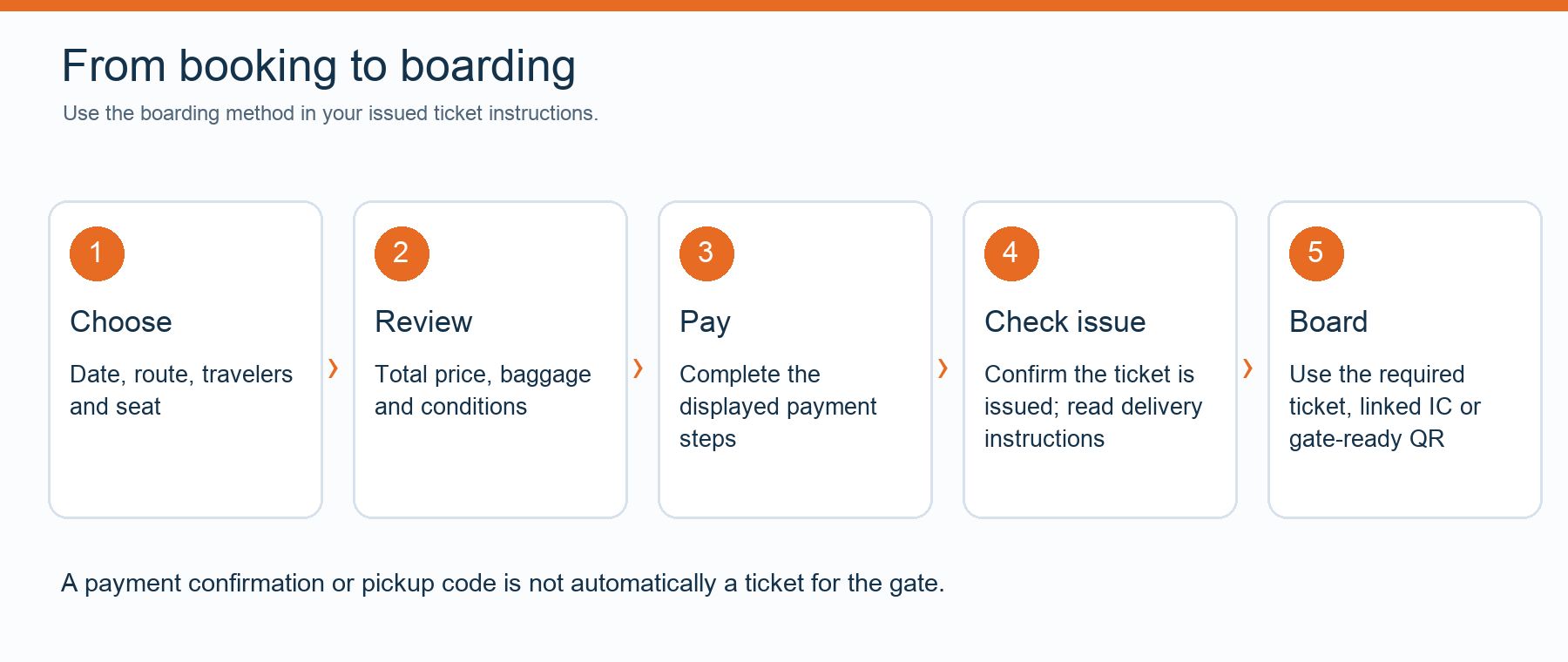
  1. Choose your boarding station. Select Tokyo Station or Shinagawa Station based on your hotel and transfer route.
  2. Pick the train type. Start with Nozomi for speed. Check Hikari if the timing or ticket conditions work better.
  3. Select reserved or non-reserved. Reserved is safer, especially with luggage or companions.
  4. Choose Ordinary or Green Car. Ordinary is comfortable for most travelers. Green Car is for extra space and a quieter ride.
  5. Confirm luggage needs. Reserve the correct baggage-linked seat if your suitcase is oversized under current rules.
  6. Follow the ticket instructions from your booking channel. You may receive a QR code, pickup details, a confirmation number, or paper-ticket instructions depending on where you buy.

Using an international credit card

Foreign-issued cards can work for Shinkansen bookings, but payment success depends on the site, card issuer, 3D Secure setup, and fraud checks. A card that works for hotels may still fail on a rail booking page.

If you are booking from outside Japan, use a channel that clearly supports international travelers, shows the total price before payment, and explains how to collect or use the ticket. Keep the confirmation email handy until the trip is complete.

What if you have a Japan Rail Pass?

Rail pass rules are not the same as buying a normal ticket. Some passes may restrict train types, require seat reservations through specific channels, or add conditions for Nozomi use.

If you plan to use a pass, check the current pass rules before choosing between Nozomi and Hikari. Do this before you build a tight itinerary around a specific departure.

Boarding tips for the day of travel

  • Arrive early. Give yourself time to find the Shinkansen gates, buy food, collect tickets if needed, and locate the platform.
  • Check the train name and number. Several trains may leave for Kyoto from the same platform area.
  • Use the correct car. Your ticket or booking confirmation should show the car number and seat number for reserved seats.
  • Keep all ticket pieces. Paper tickets may be issued as one combined ticket or as separate fare and Shinkansen tickets. Do not throw anything away until after you exit at Kyoto.
  • Queue at the platform markings. Car numbers are marked on the platform. Stand at the line for your car.

Best side for views

On clear days, Mount Fuji may be visible on the right-hand side when traveling from Tokyo toward Kyoto. In many Ordinary Car reserved-seat layouts, that side corresponds to E seats, but layouts and visibility can vary. Treat it as a bonus, not a guarantee.

When to book

Book once your travel date and route are fixed, especially if you need a specific departure, want seats together, are carrying oversized luggage, or are traveling during a busy season. Same-day travel is often possible, but it gives you fewer choices.

Busy periods include major Japanese holidays, long weekends, cherry blossom season, autumn foliage season, and the year-end travel period. If your trip falls around those dates, reserved seats are the safer option.

Frequently asked questions

How long is the Shinkansen from Tokyo to Kyoto?

The fastest Nozomi services usually take a little over 2 hours. Hikari is typically longer, and Kodama is much slower because it stops at every station. Always check live times for your travel date.

Should I take Nozomi or Hikari from Tokyo to Kyoto?

Take Nozomi if you want the fastest and most frequent option with a normal ticket. Hikari is a good alternative if the timing works better or if your rail pass has rules that make Hikari more practical.

Is it better to board at Tokyo Station or Shinagawa?

Board at the station that is easier from your hotel. Tokyo Station is often better from the north and east side of central Tokyo. Shinagawa is often better from the south, west, and Haneda Airport side.

Do I need a reserved seat?

A reserved seat is strongly recommended for this route. It gives you a fixed seat, keeps groups together, and is the safer choice during busy periods or when traveling with luggage.

Can I buy Tokyo to Kyoto Shinkansen tickets with a foreign credit card?

Yes, but success depends on the booking site and your card issuer. If one site fails because of authentication or fraud checks, try a booking channel built for international travelers.

Do I need to reserve luggage space?

You may need a special oversized baggage reservation if your suitcase exceeds the current size threshold on the Tokaido Shinkansen. Measure your bag and confirm the rule before booking.

คำถามที่พบบ่อย

How long is the Shinkansen from Tokyo to Kyoto?

The fastest Nozomi services usually take a little over 2 hours. Hikari is typically longer, and Kodama is much slower because it stops at every station. Check live times for your travel date.

Should I take Nozomi or Hikari from Tokyo to Kyoto?

Take Nozomi if you want the fastest and most frequent option with a normal ticket. Hikari is a good alternative if the timing works better or if your rail pass rules make Hikari more practical.

Is it better to board at Tokyo Station or Shinagawa?

Use the station that is easier from your hotel. Tokyo Station is often better from the north and east side of central Tokyo. Shinagawa is often better from the south, west, and Haneda Airport side.

Do I need a reserved seat?

A reserved seat is strongly recommended. It gives you a fixed seat, helps groups sit together, and is the safer choice during busy periods or when traveling with luggage.

Can I buy Tokyo to Kyoto Shinkansen tickets with a foreign credit card?

Yes, but payment success depends on the booking site and your card issuer. If one site fails, try a booking channel that clearly supports international travelers.

Do I need to reserve luggage space?

You may need a special oversized baggage reservation if your suitcase exceeds the current size threshold on the Tokaido Shinkansen. Measure your bag and confirm the rule before booking.

Tags:Tokyo to Kyoto Shinkansen tickets