Ueno Station Guide: Shinkansen, Keisei & Park Exits
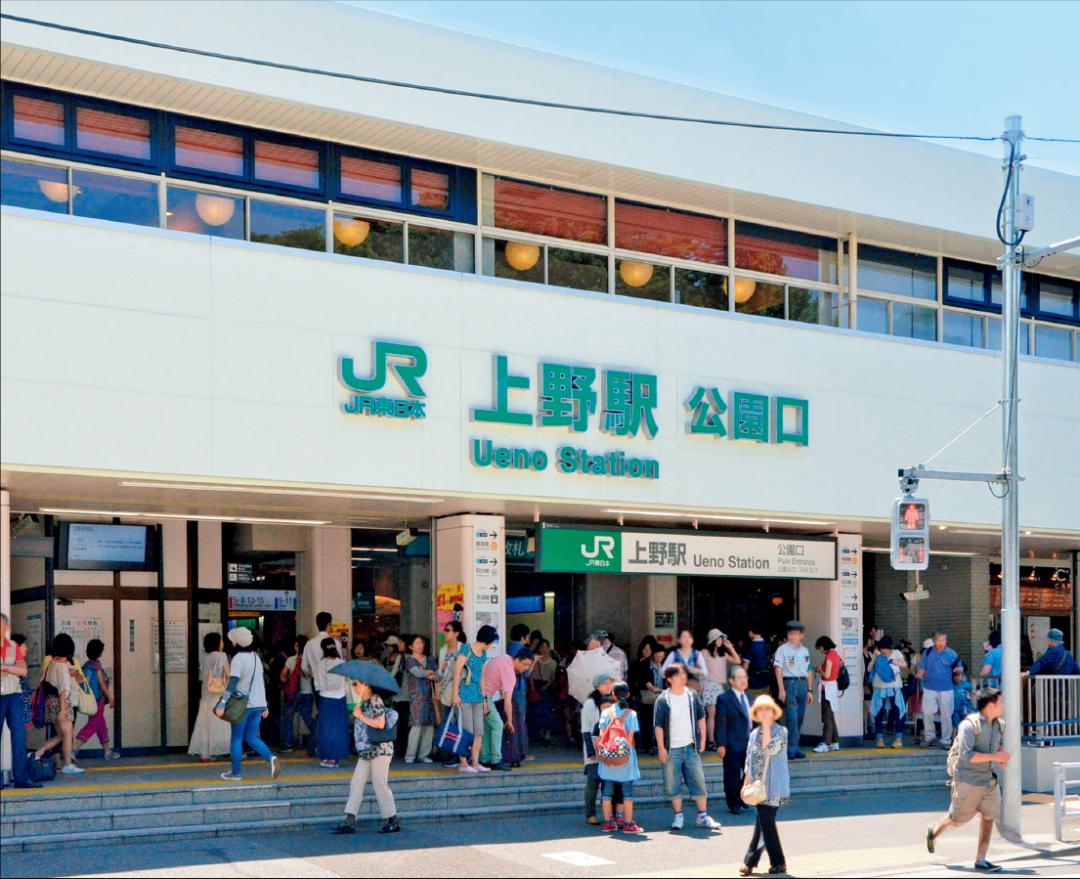
JR Ueno, Keisei Ueno and Tokyo Metro Ueno are separate station facilities. JR Ueno serves Shinkansen and conventional trains; Keisei Ueno is the terminal for Skyliner journeys toward Narita Airport; Tokyo Metro Ueno serves the Ginza and Hibiya lines. Check the operator before choosing a gate.
Ueno is useful for northbound rail journeys and visits to Ueno Park, museums and Ameyoko. This guide separates the three stations and explains how to plan an onward trip. Use the official JR East Ueno map for your actual walking route.
Which Ueno station do you need?
| Station | Main purpose | Check before entering |
|---|---|---|
| JR Ueno | Shinkansen and JR conventional trains | Whether you need the Shinkansen transfer gate or an ordinary JR platform |
| Keisei Ueno | Keisei trains, including the Skyliner | Train type, airport terminal and reserved-ticket requirements |
| Tokyo Metro Ueno | Ginza and Hibiya subway lines | Line, direction and suitable numbered exit |
Walking between operators may involve stairs, lifts, outdoor sections or connecting passages. Follow the current signs instead of assuming every transfer is inside one paid area. A ticket valid on JR is not automatically valid on Keisei or Tokyo Metro.
Taking the Shinkansen from Ueno
Ueno provides access to northbound Shinkansen services on the Tohoku, Joetsu and Hokuriku corridors, including selected through services. Check that the specific train you intend to use stops at Ueno. A route appearing on a network map does not mean every train calls at every station.
The Shinkansen platforms are deep underground. Follow signs for the Shinkansen transfer gates and the platform shown on the departure display. JR East's Ueno Park Gate guide identifies the Shinkansen platforms on basement level four and explains the route toward the Park Gate.
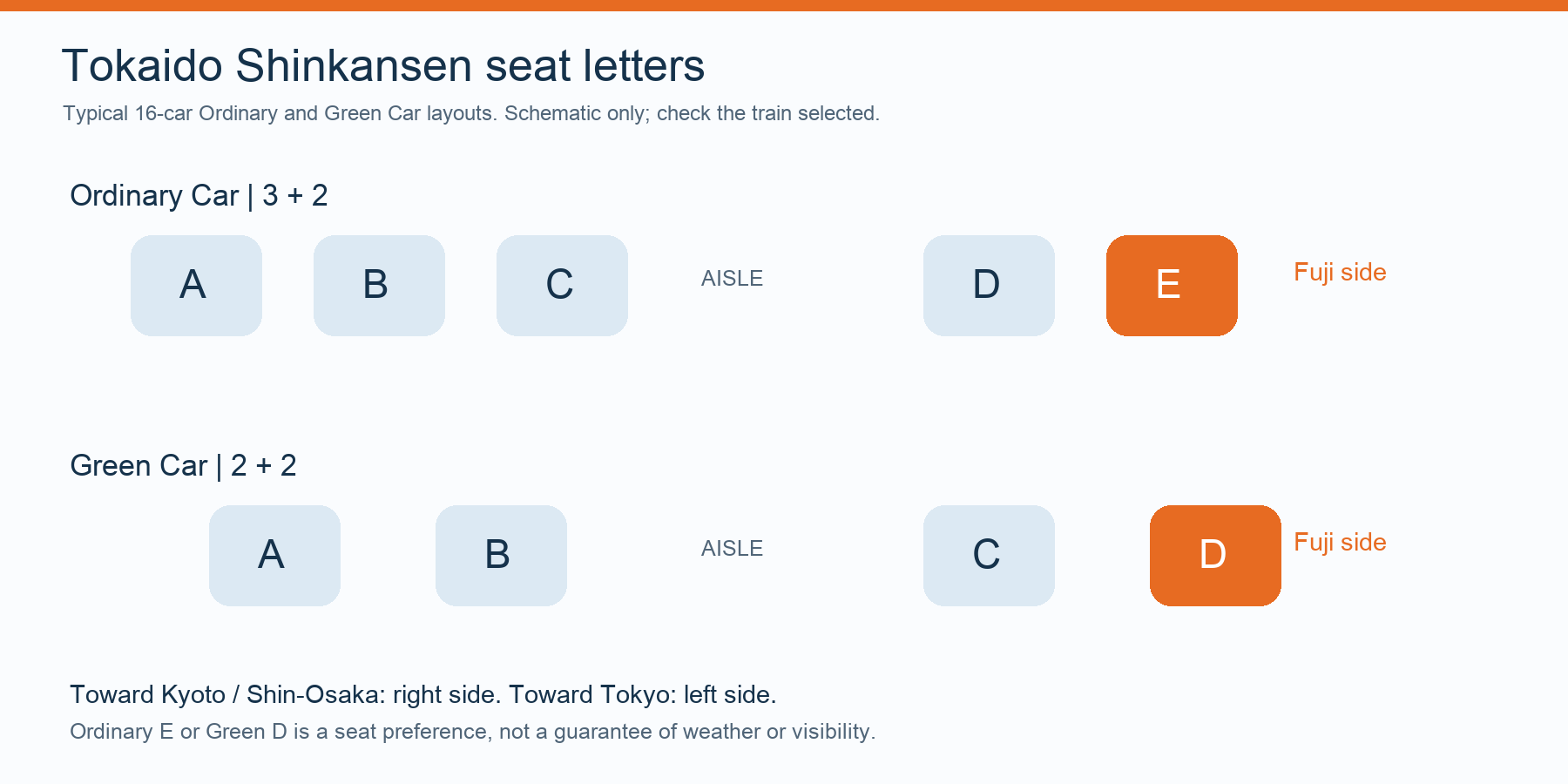
The Tokaido Shinkansen to Kyoto and Shin-Osaka does not stop at Ueno. For those destinations, connect to Tokyo or another suitable Tokaido station. Check your exact departure station before booking; “Tokyo” as a city is not interchangeable with every station in the metropolitan area.
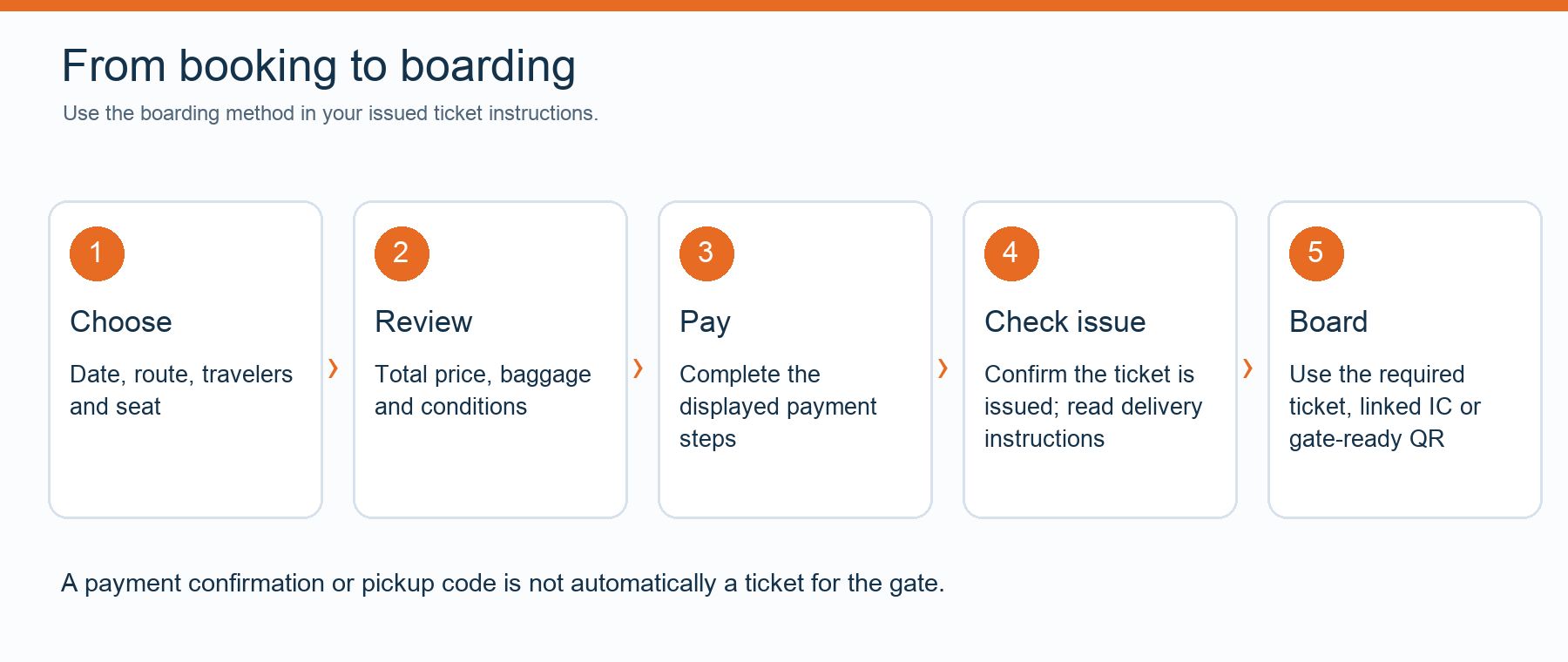
Read the Shinkansen boarding guide and ticket pickup instructions before travel. The confirmation determines whether you need physical tickets, a supported QR code or a properly linked IC card.
Keisei Ueno and Narita Airport
Keisei Ueno is a different station from JR Ueno. Follow Keisei signs and consult the official Keisei Ueno map when transferring. Do not head to a JR platform simply because your airport itinerary says “Ueno.”
Choose the train for your destination and ticket product. Skyliner seating and tickets differ from ordinary Keisei services. Confirm whether you need Narita Airport Terminal 1 or Airport Terminal 2·3, and include the transfer to your actual airline check-in area when planning arrival.
Allow time for the station change, ticket arrangements and luggage. Avoid treating an advertised airport-train running time as the duration from your hotel or JR arrival platform to the terminal.
Park Gate, Shinobazu and sightseeing
For Ueno Park and its museum area, the JR Park Gate is a practical starting point. JR East specifically recommends it for the park, Ueno Zoo and nearby museums. Check the attraction's current entrance and opening information separately; a convenient railway exit does not establish which attraction gate is open.
For Ameyoko and the Shinobazu side, check the Shinobazu gate and exit on the JR map. Decide your destination before leaving the paid area, especially if you have a stroller or luggage. Nearby landmarks can lie on different sides or levels of this large station.
If you are using the subway, consult the Tokyo Metro Ueno station guide for the appropriate exit and accessible route. The Ginza and Hibiya lines are useful city connections, but their platforms are separate from the JR Shinkansen area.
Luggage and onward planning
Look for lift symbols on the operator's map if you cannot use stairs. Leave time for a longer accessible route and for help from staff when needed. Coin lockers can fill up, and sizes, prices and payment options vary, so keep an alternative plan for your bags.
Check the baggage rules for the railway you will actually board. Do not apply a Tokaido Shinkansen baggage-seat rule automatically to every northern service. Keep aisles and doorways clear regardless of the route.
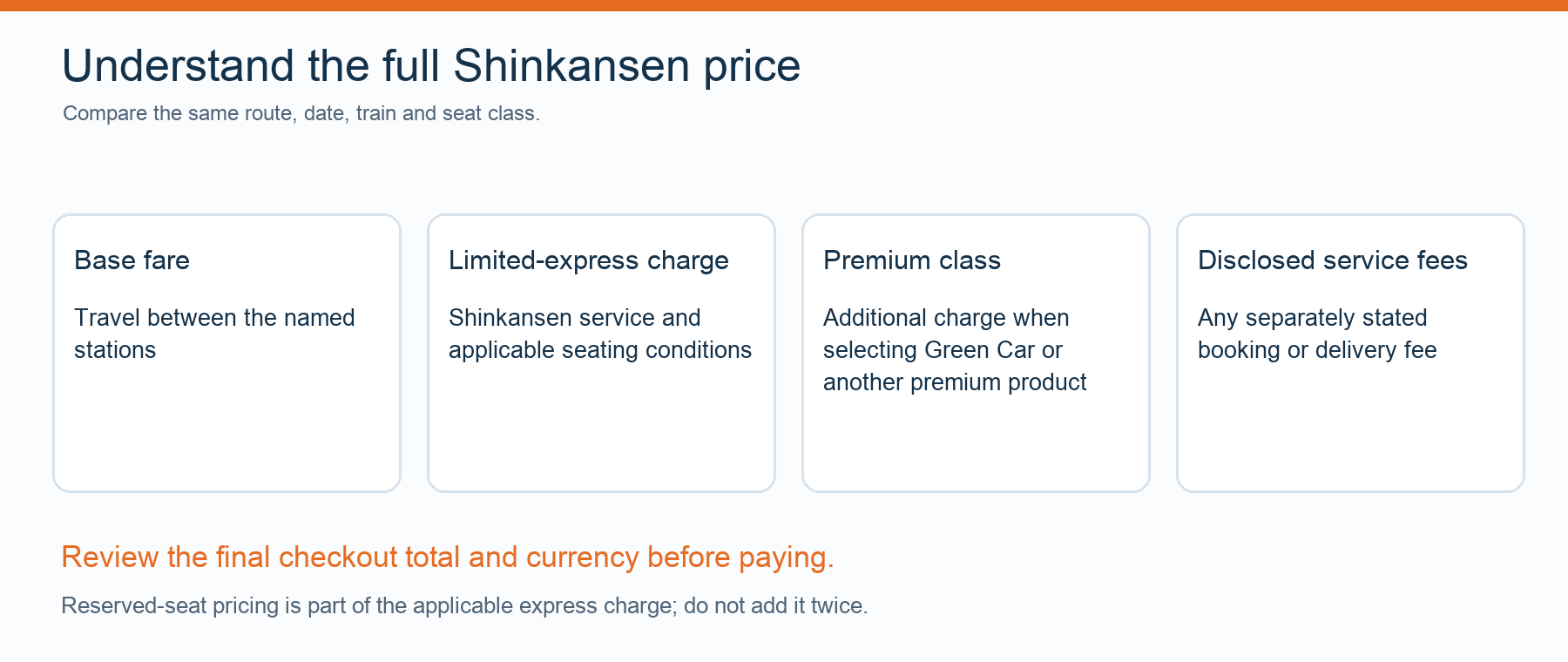
For an onward bullet-train trip, compare the fare and seat components, confirm the departure station and allow for any ticket collection. Our online booking guide explains what to check before you complete a reservation.