Fuji Excursion: Shinjuku to Kawaguchiko Tickets & Seats
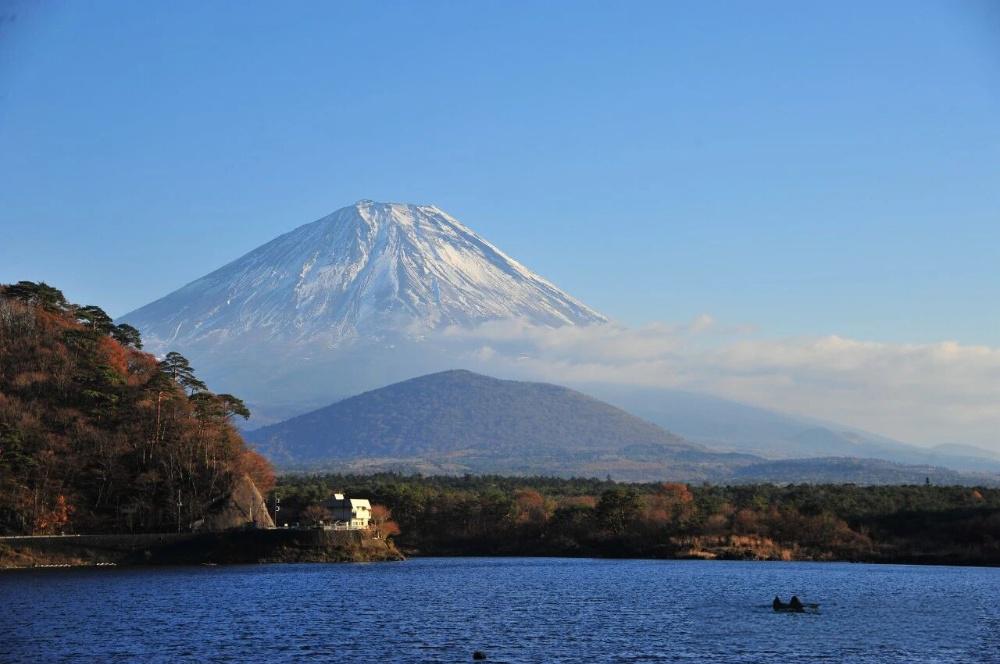
Fuji Excursion is a limited-express train linking Shinjuku with Kawaguchiko via the Fujikyu Railway. It is not a Shinkansen. For a predictable journey, check your travel date and book a confirmed seat on a suitable departure, including the return trip if you are visiting for the day.
Use JR East's official Fuji Excursion information for the service overview. Timetables, operating days and train formations can change; avoid planning from an old list of daily departures.
Route and booking essentials
The journey uses the JR route to Otsuki and continues onto the Fujikyu Railway toward Kawaguchiko. When comparing tickets, check the complete origin and destination, rather than buying a product that ends at Otsuki unintentionally. A fare ticket and a limited-express ticket serve different functions.
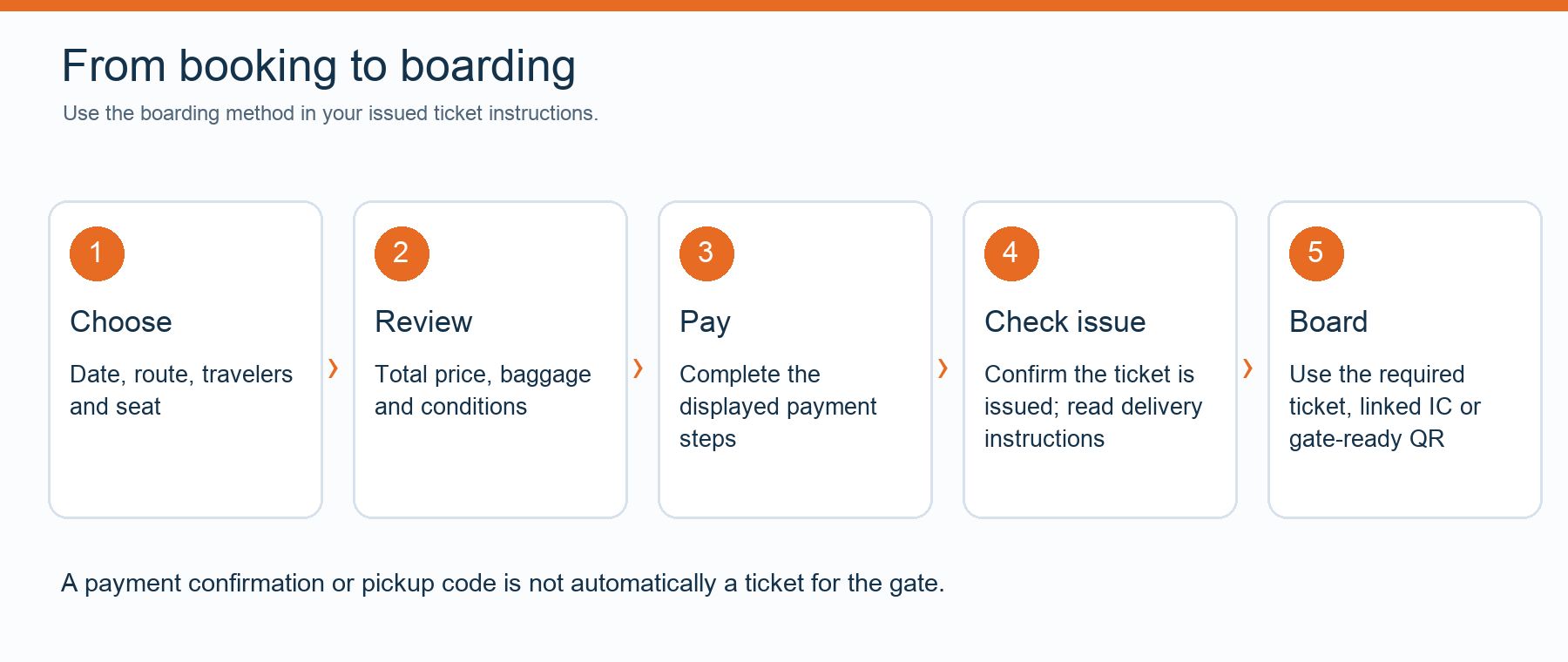
Before confirming a booking, check the date, departure time, passenger details, seat assignment, total price and collection or admission instructions. A payment receipt is not, by itself, proof that you have a usable ticket or assigned seat. Follow the issuer's fulfillment instructions.
Reserved seats and seat-unspecified tickets are different
Fuji Excursion uses reserved seating; it does not have ordinary non-reserved cars that work like a conventional first-come Shinkansen carriage. JR East also lists Fuji Excursion among services for which a special seat-unspecified limited-express ticket may be available.
According to JR East's ticket explanation, this specifies the travel date and section without assigning a train or seat. It does not guarantee a seat: a vacant ordinary-class seat must be relinquished to its reservation holder, and standing may be necessary. JR East states that this product is not sold through Eki-net and directs passengers to reserved-seat ticket machines.
Do not treat this as permission to board with only an IC card or an ordinary non-reserved limited-express ticket. Ask station staff to confirm the correct ticket and coverage for your full JR–Fujikyu journey. If sitting together matters, secure confirmed reservations or choose another itinerary.
What JR East recommends when Fuji Excursion is full
The official “Fuji Excursion if fully booked” guide offers a connecting route: take a suitable Kaiji or Azusa to Otsuki, then change to a Fujikyu local train. Confirm that the selected limited express calls at Otsuki and leave time for the transfer.
The local Fujikyu train does not require a seat reservation, but that does not guarantee an empty seat. This alternative is distinct from traveling on Fuji Excursion with a seat-unspecified ticket. Compare availability and comfort before choosing.
Pass coverage and additional charges
Check the exact pass product. JR East's fully booked guidance distinguishes the nationwide Japan Rail Pass and JR East Pass from the JR TOKYO Wide Pass for the Fujikyu segment. A pass covering the JR portion is not automatically valid on the private railway beyond Otsuki.
Confirm the current coverage and any additional fare or limited-express charge with the operator. Do not infer coverage from a generic “JR pass accepted” statement or assume every regional pass has the same rules.
Boarding at Shinjuku and handling luggage
Follow the departure display for your train and board the car shown on your ticket. Some services operate in a formation that divides, so the train name and assigned car matter. Do not board an adjacent car solely because it shares the platform.
Check the facilities for the actual train. JR East's service page includes luggage-compartment information and notes that layouts vary; a blanket claim that the train has no luggage storage is inaccurate. Keep bags out of aisles and doorways and ask staff about suitable storage if needed.
At Kawaguchiko, allow for the onward trip to your hotel or attraction. The station is a transport hub, not the mountain summit. Compare other approaches in our Tokyo to Mount Fuji transport guide, and use the Shinjuku station transfer guide if your wider itinerary also includes a Shinkansen.